
▸ Digital LED Billboards for Indoor & Outdoor Spaces
▸ Digital Billboards
Stand Out in Every Direction
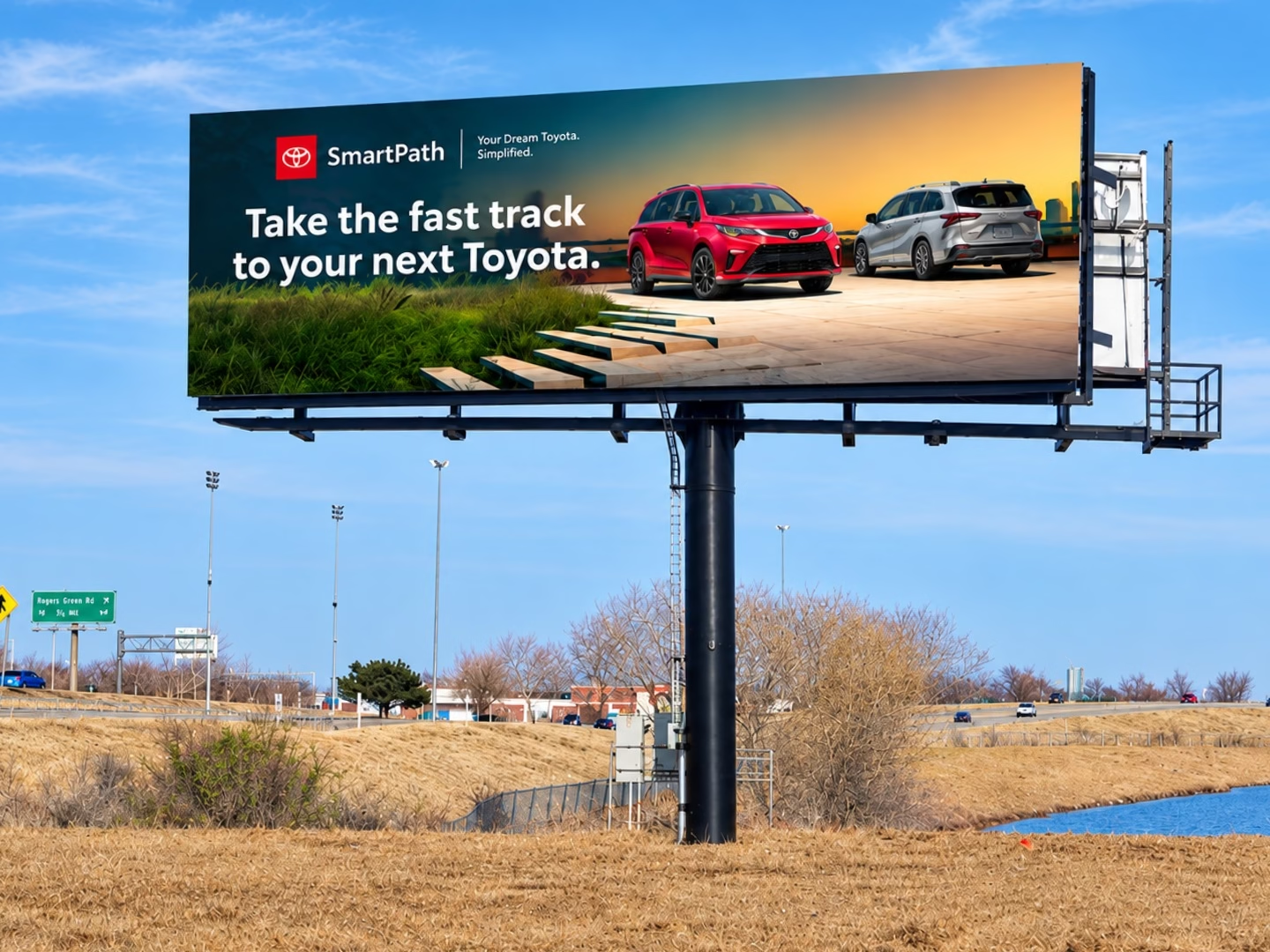
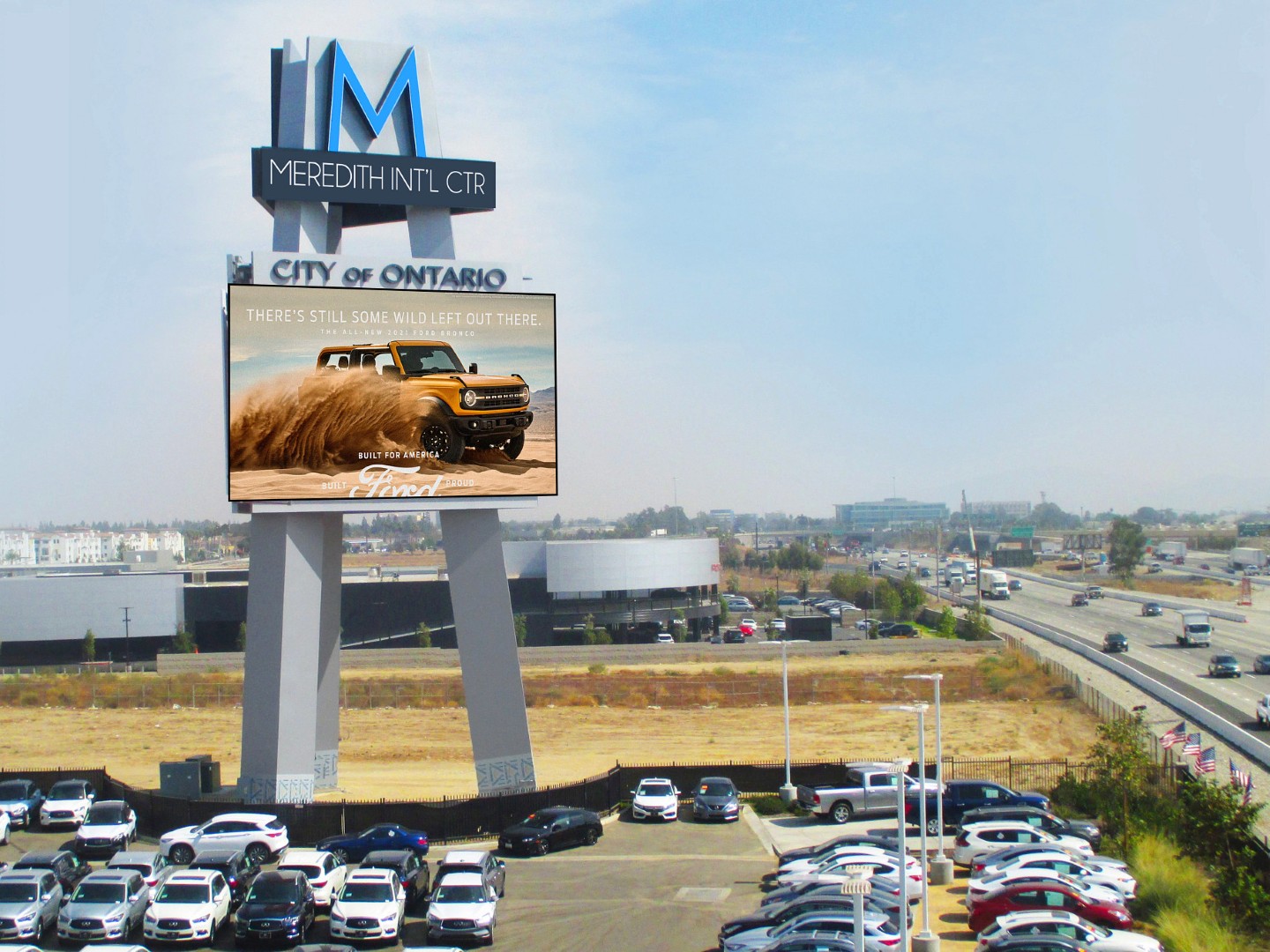
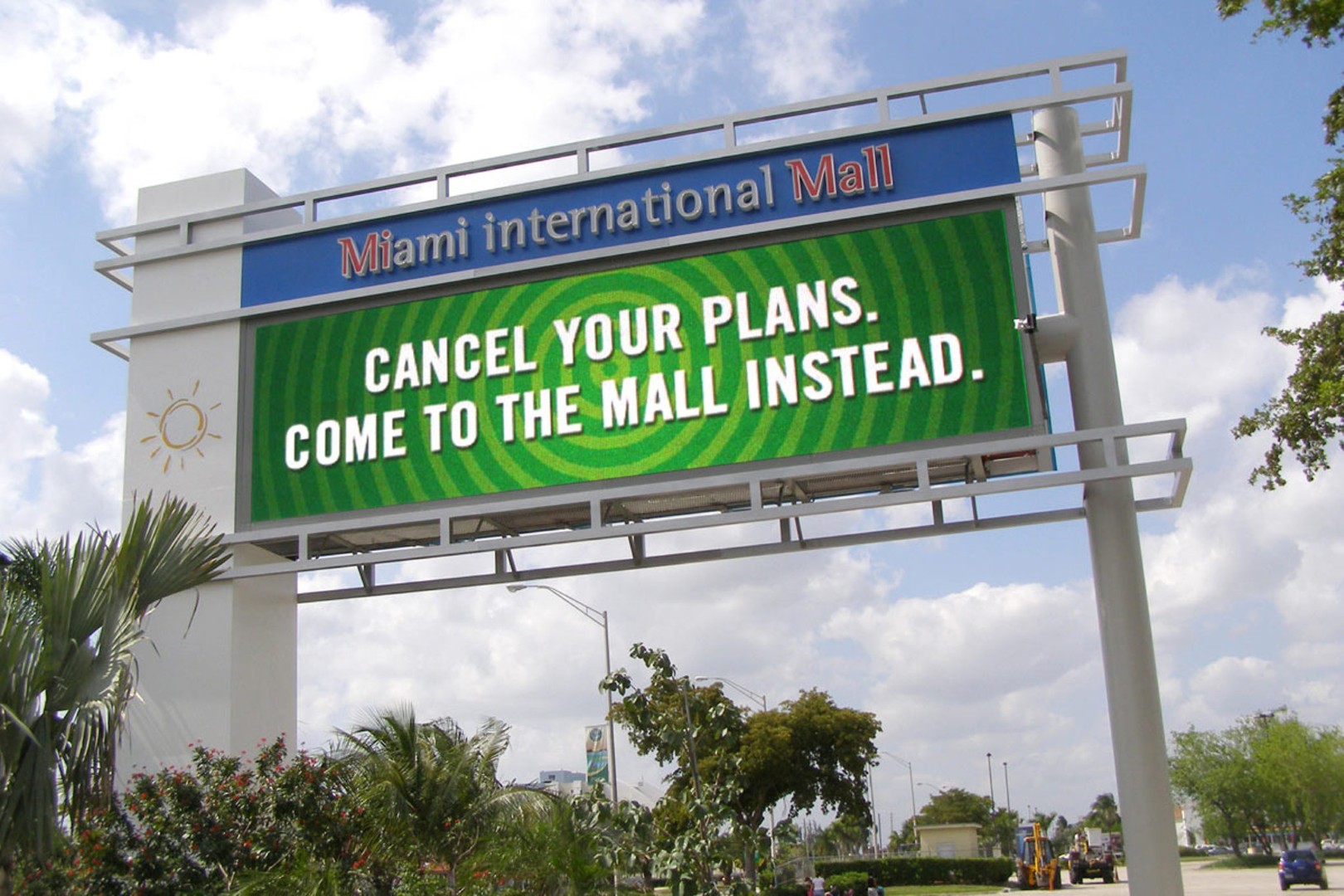
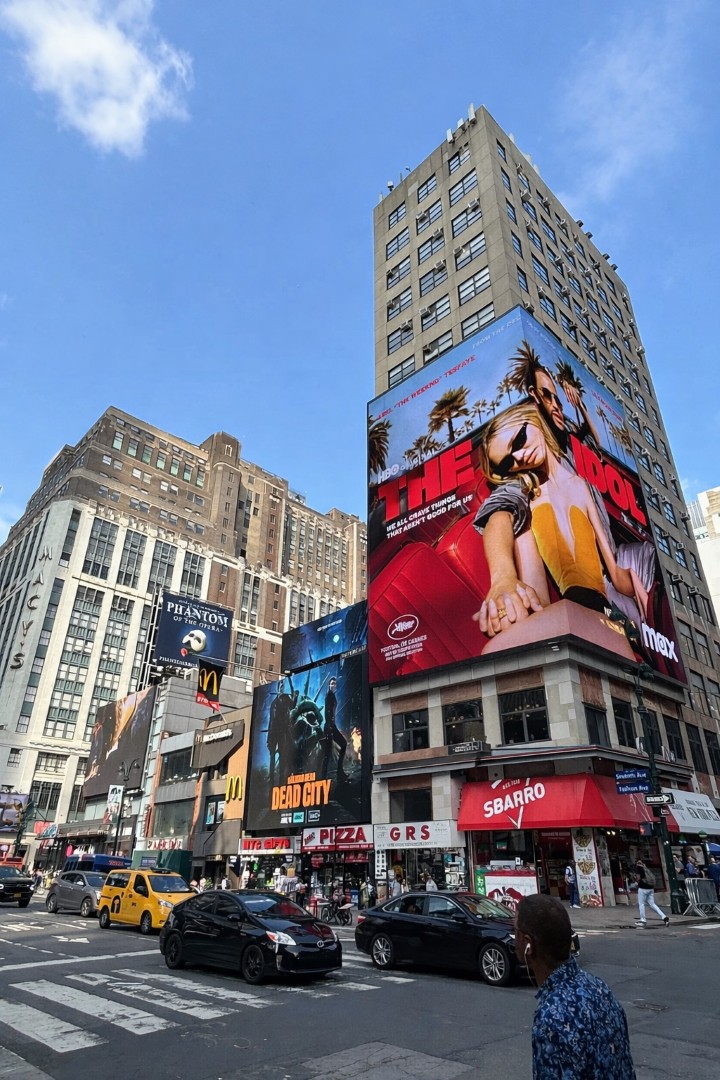
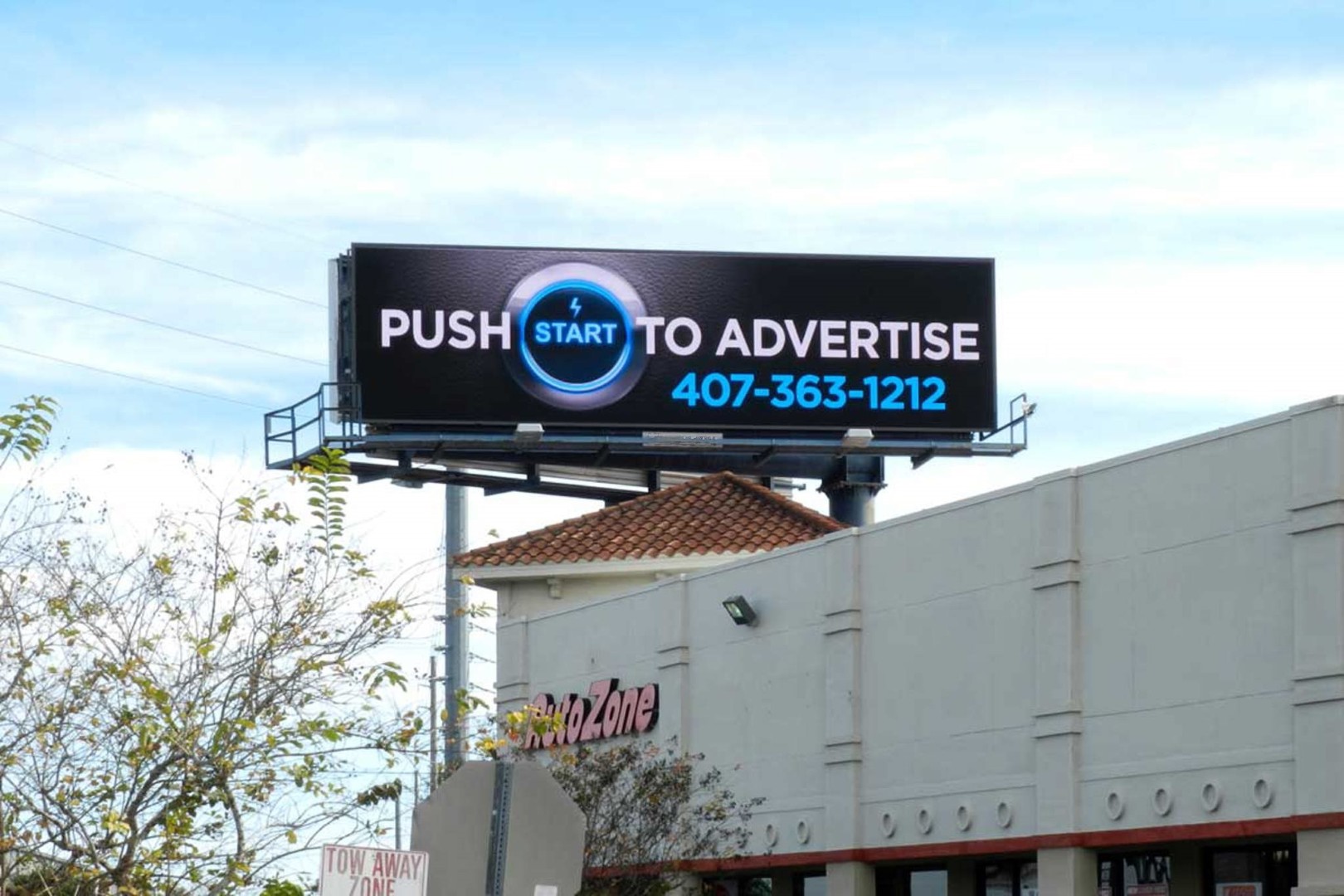
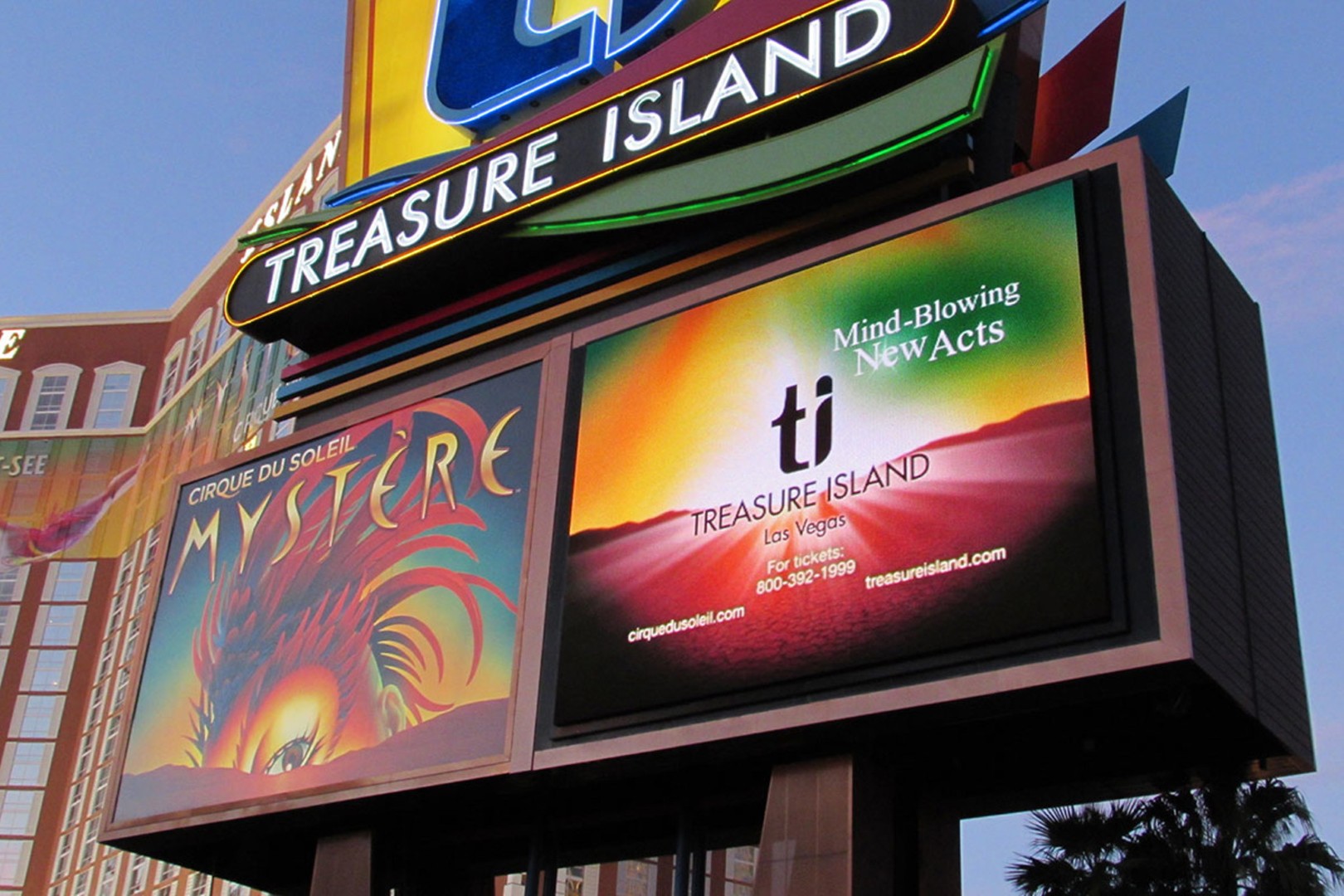
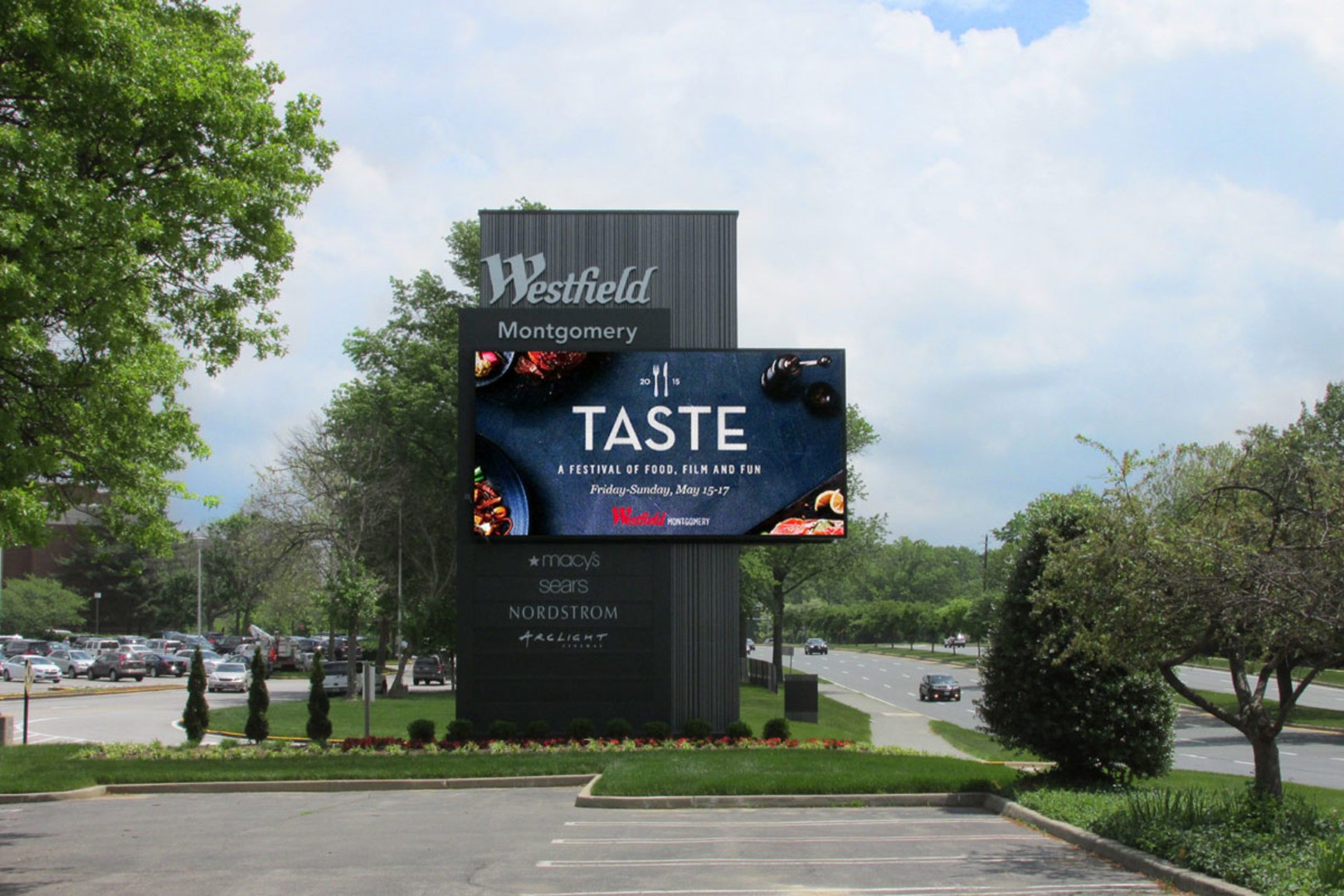
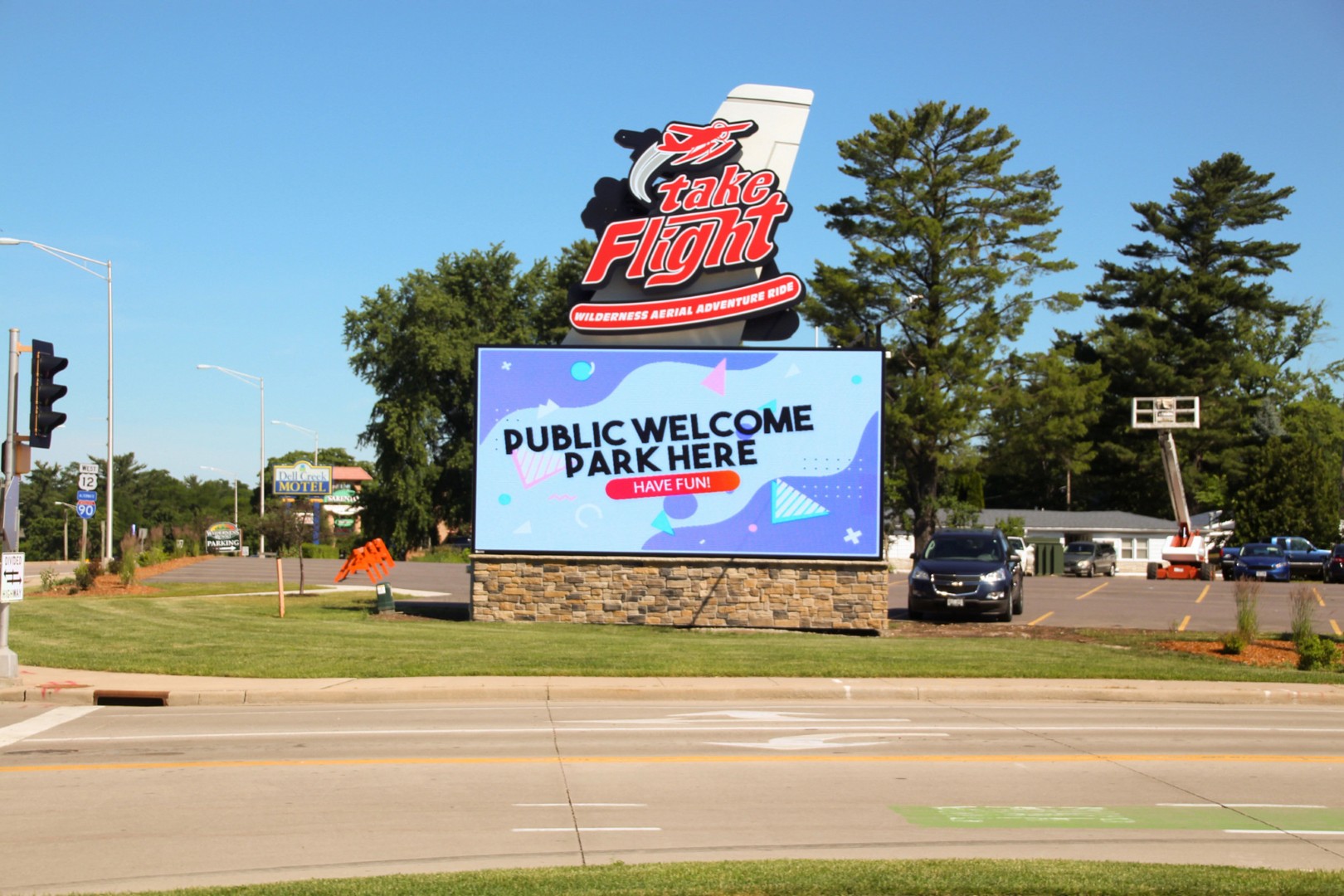
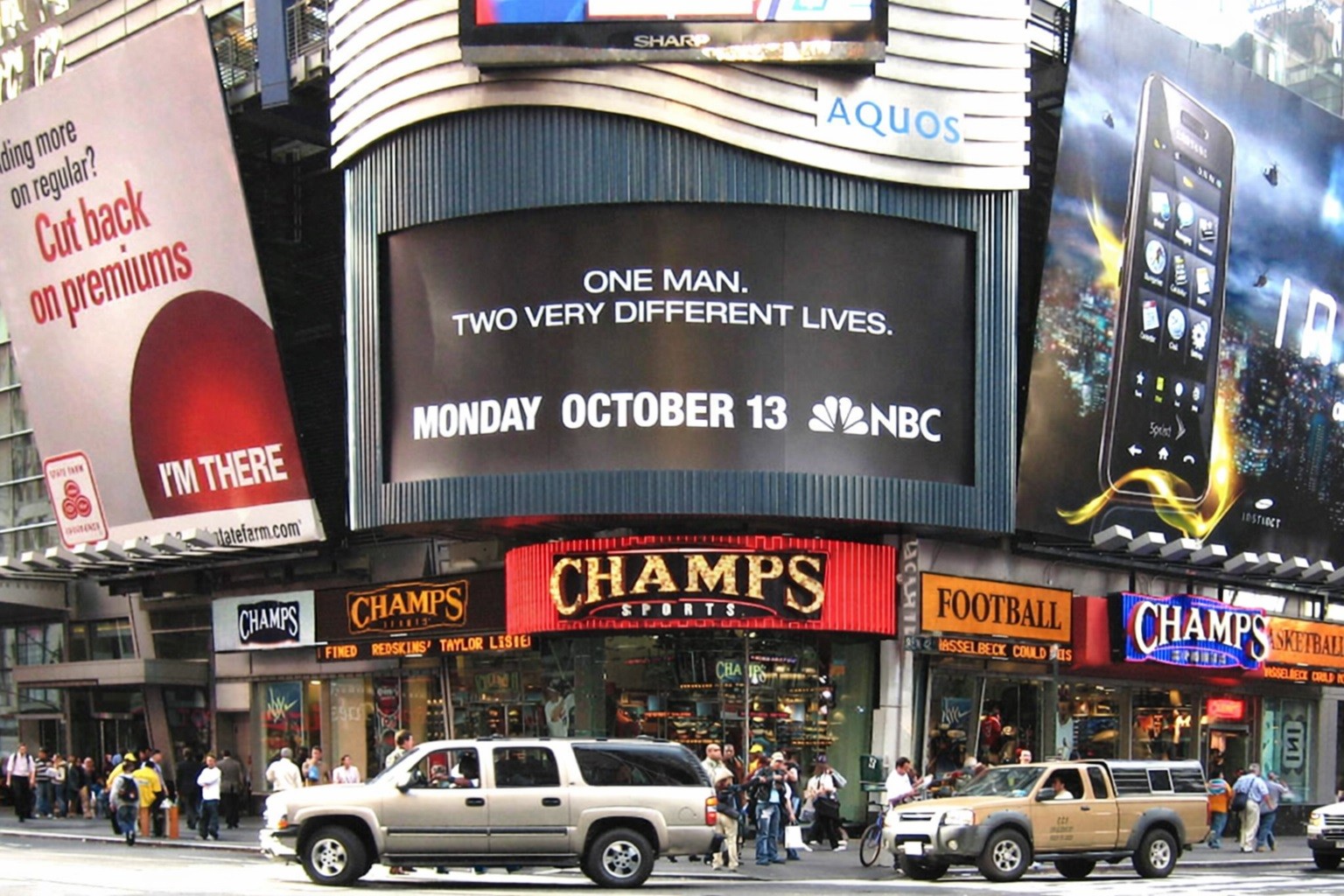
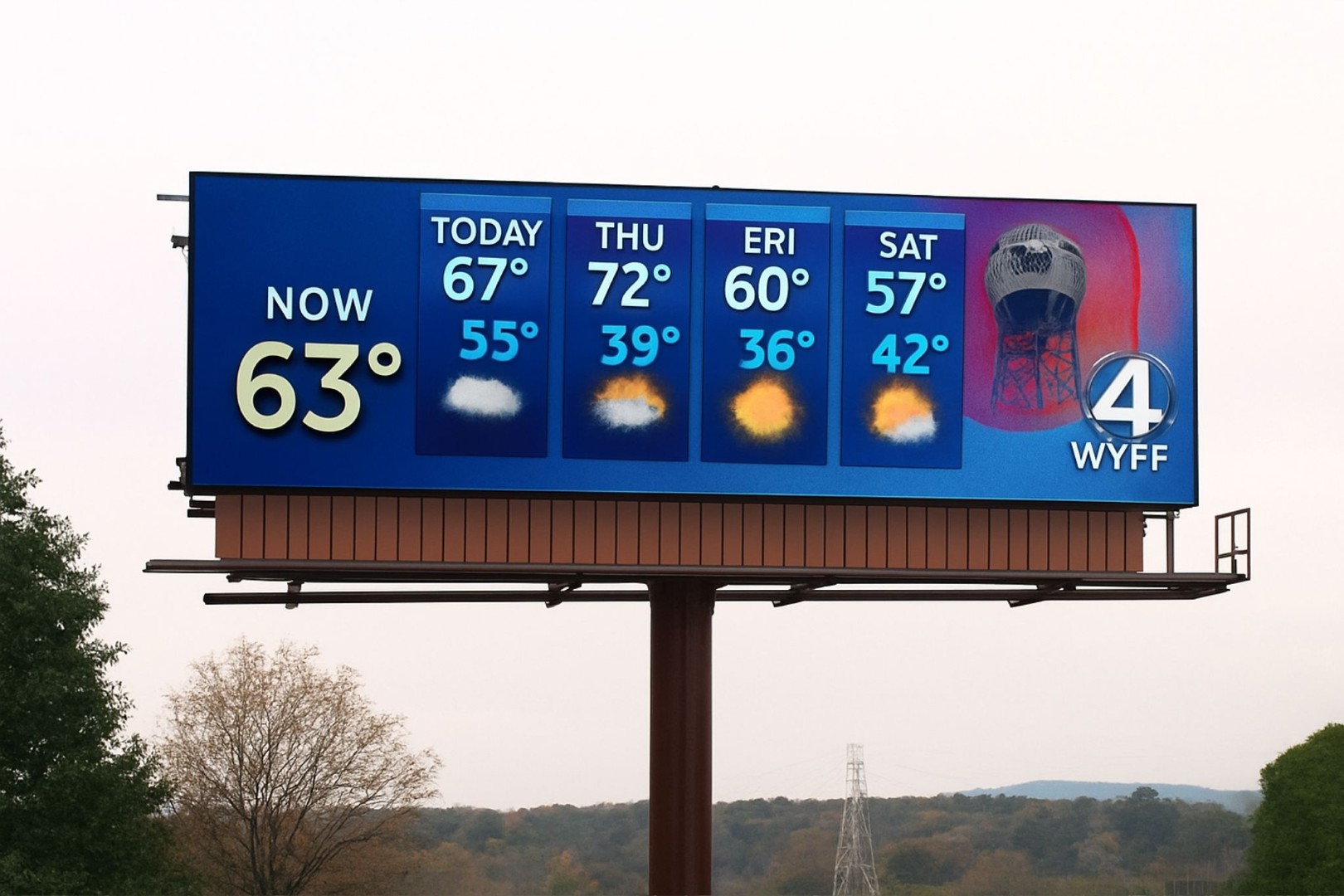
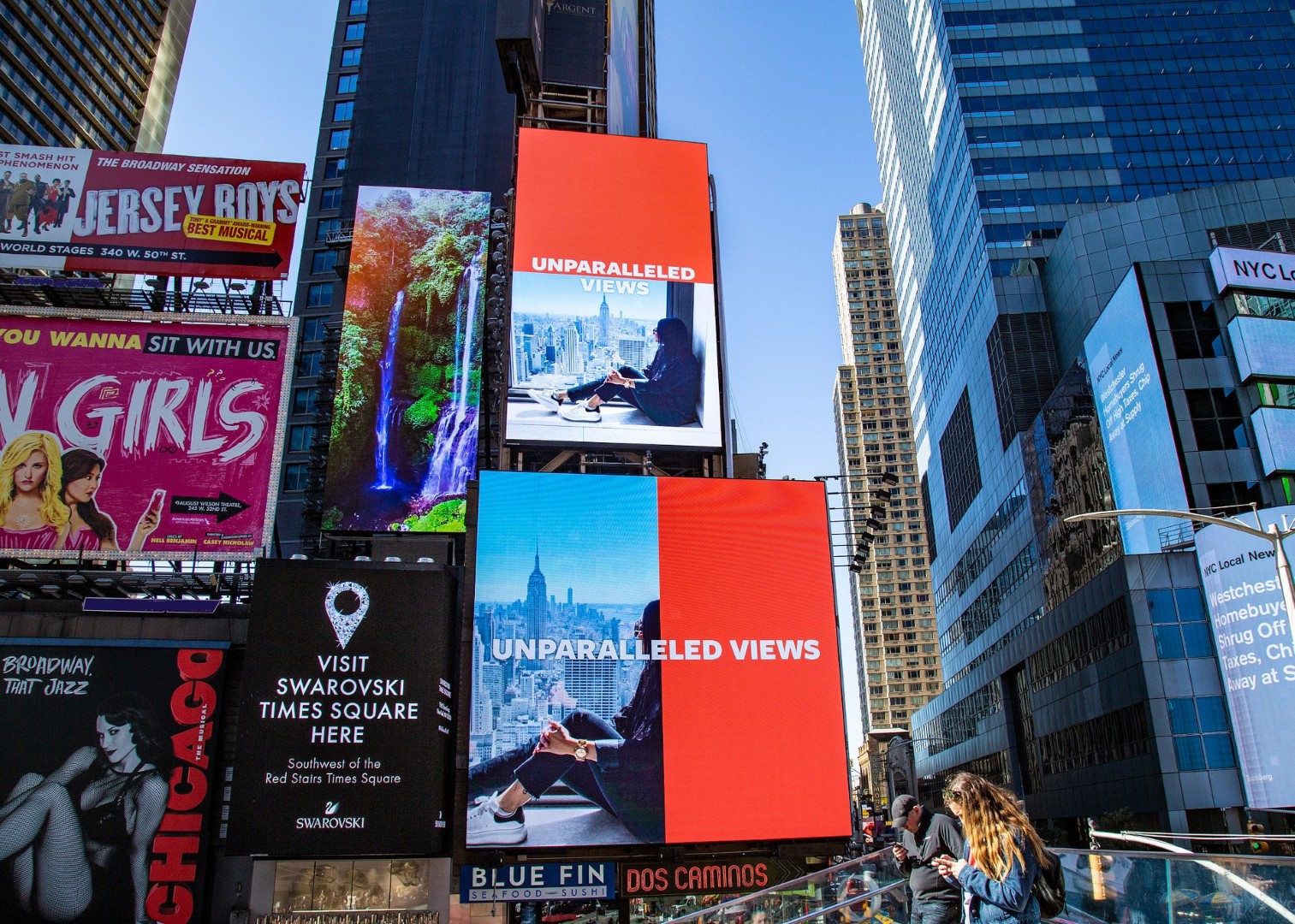
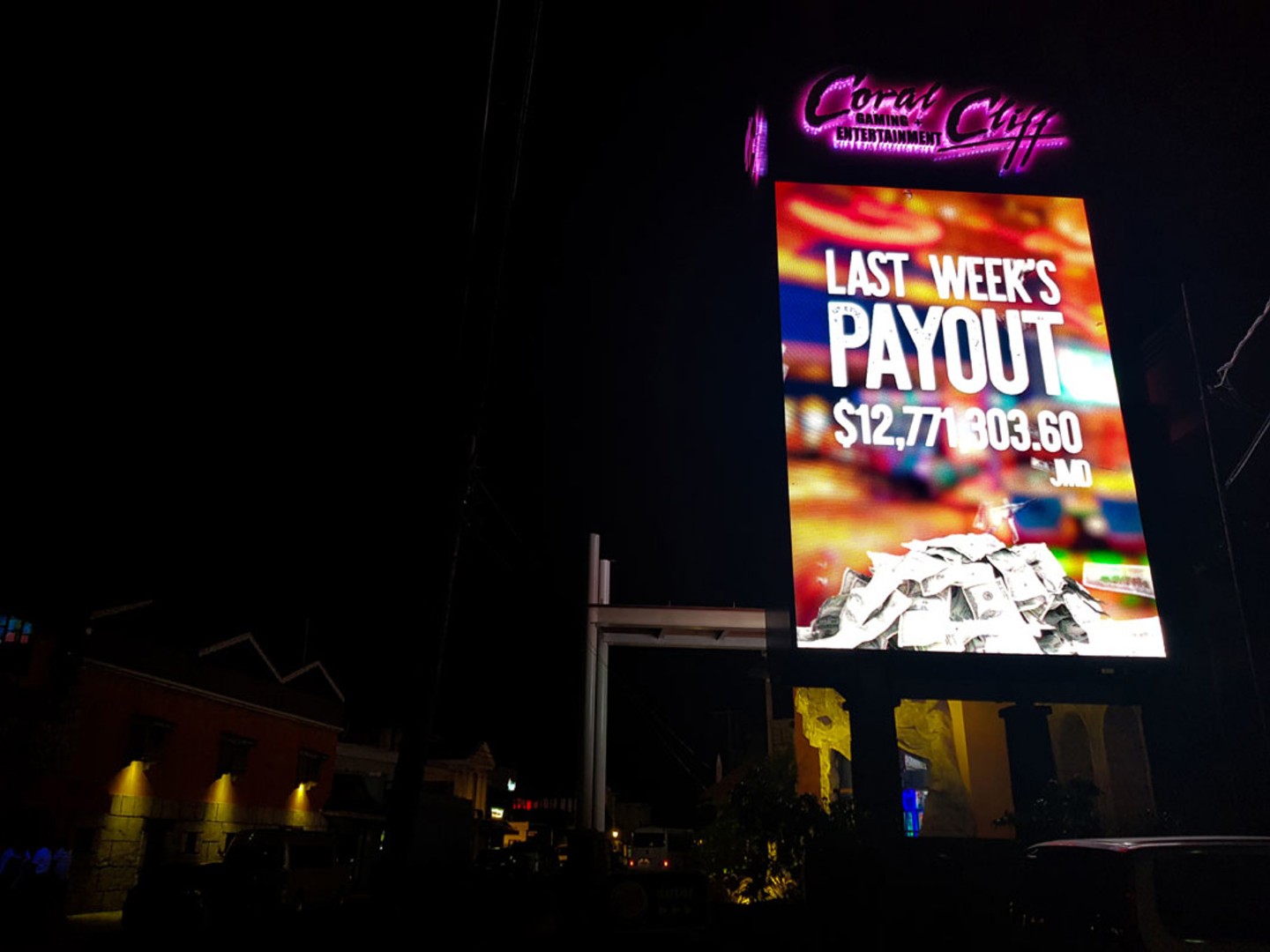
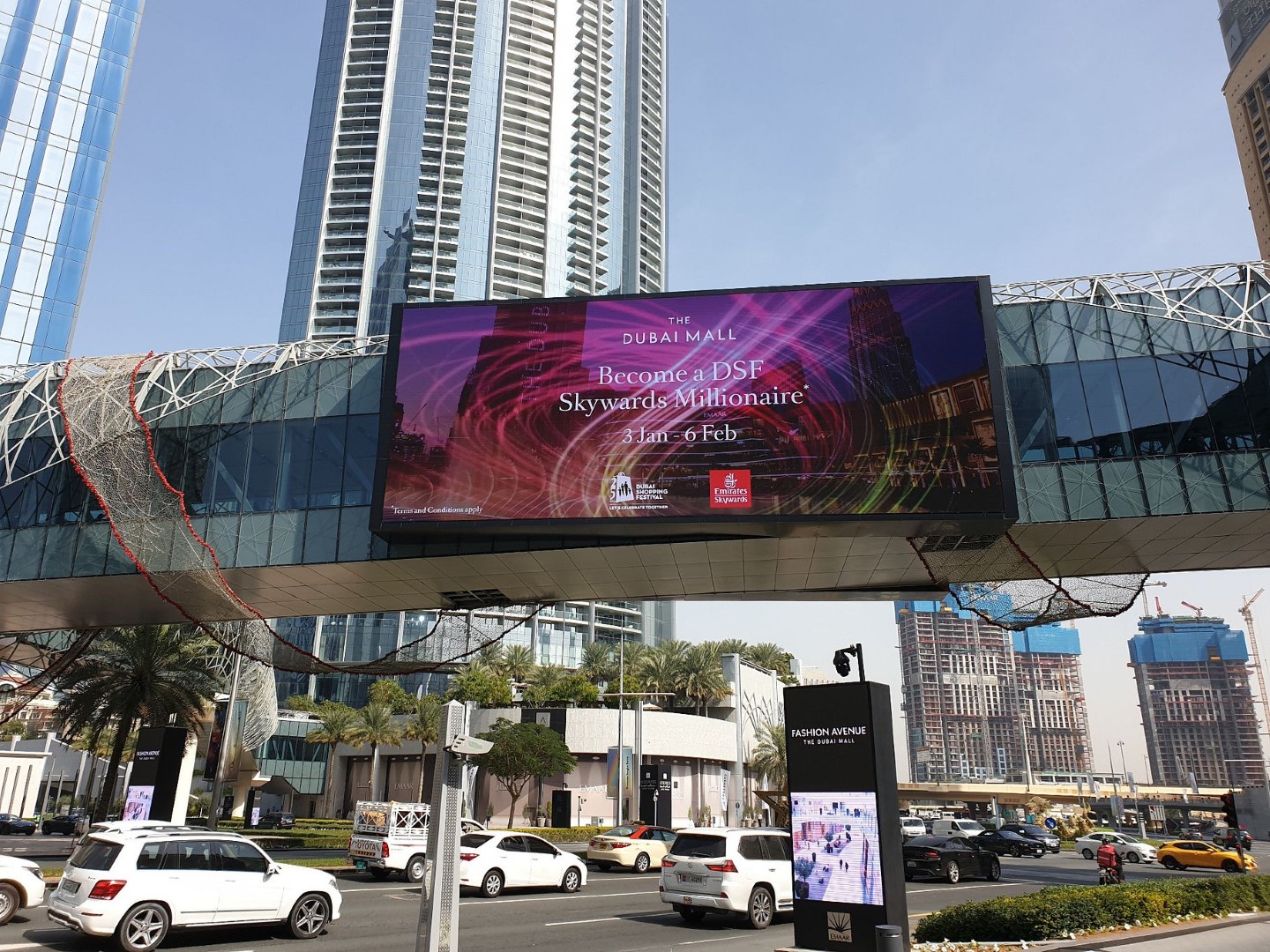
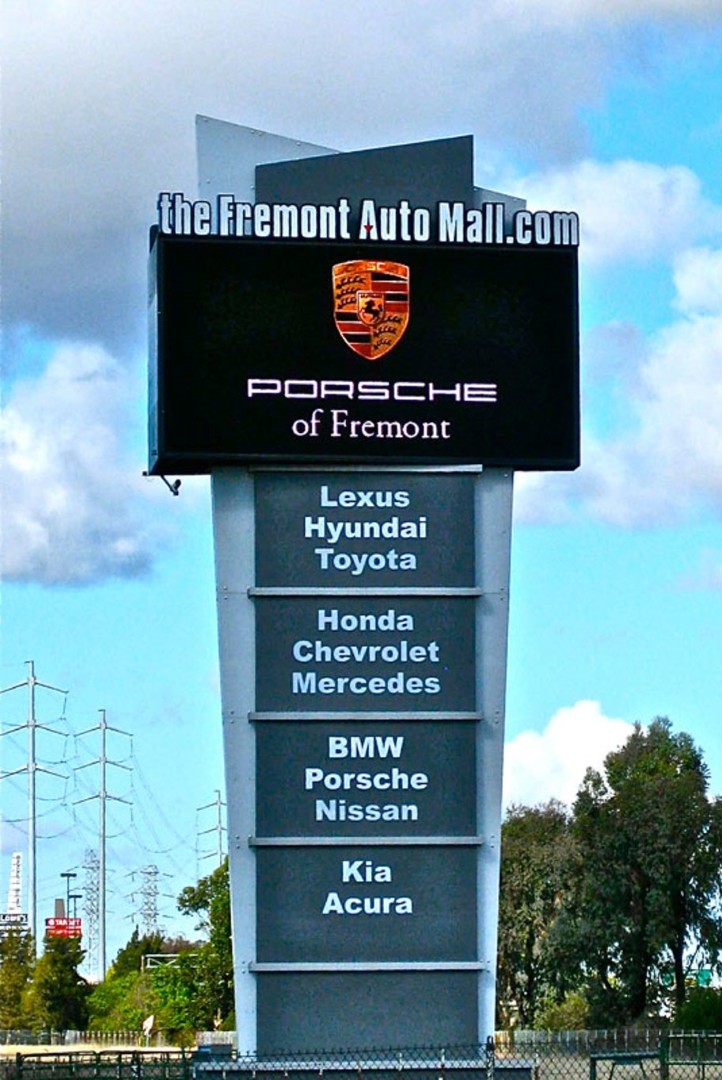
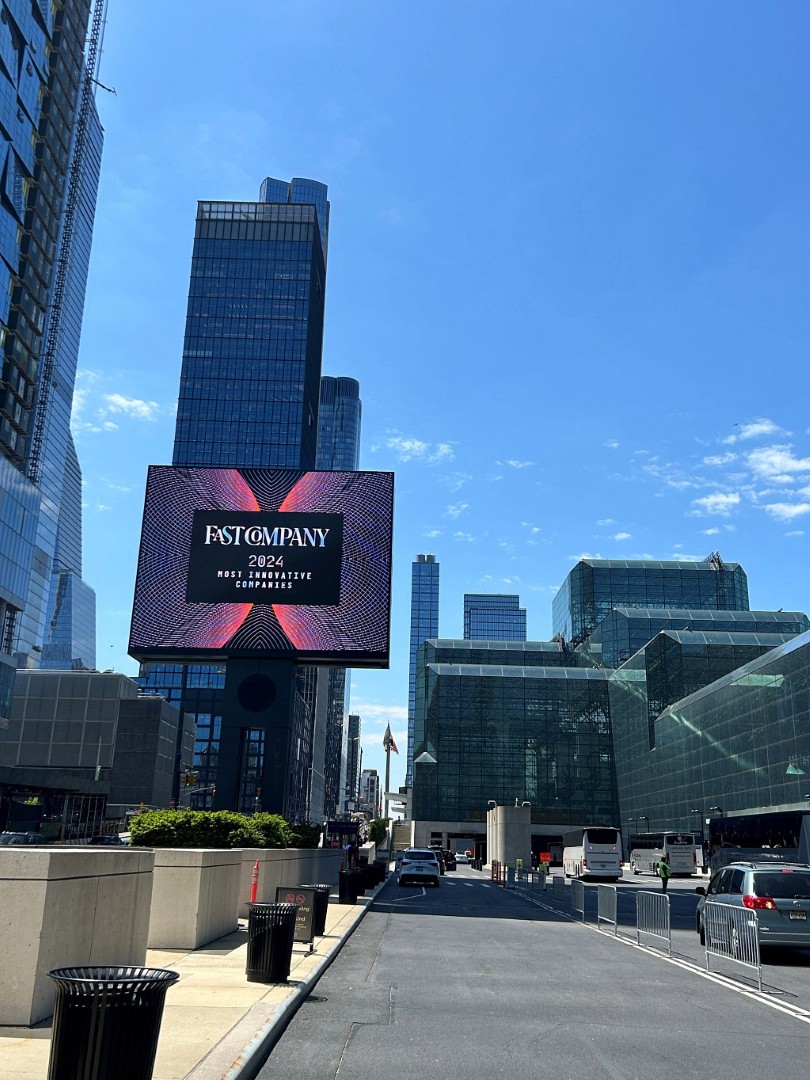
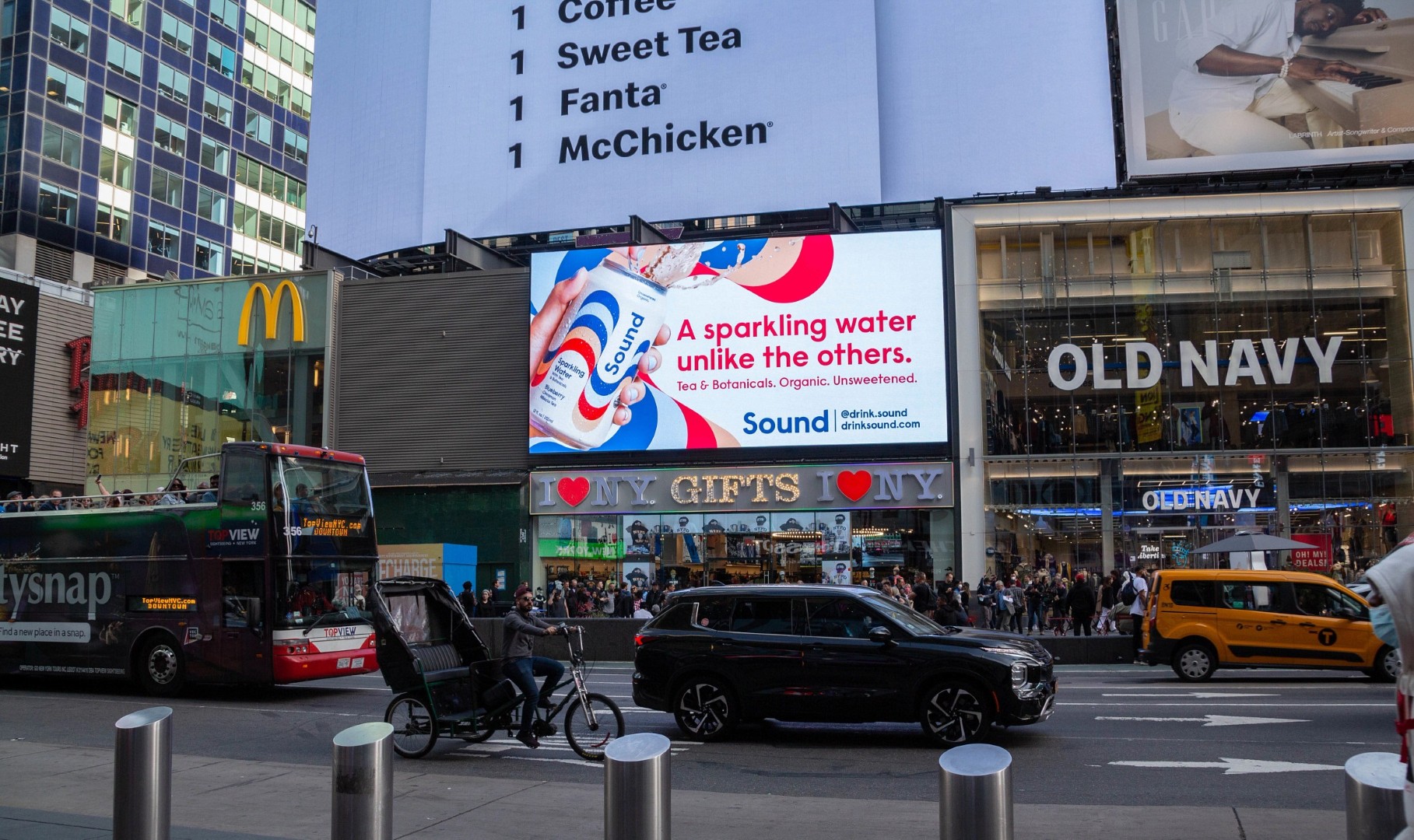
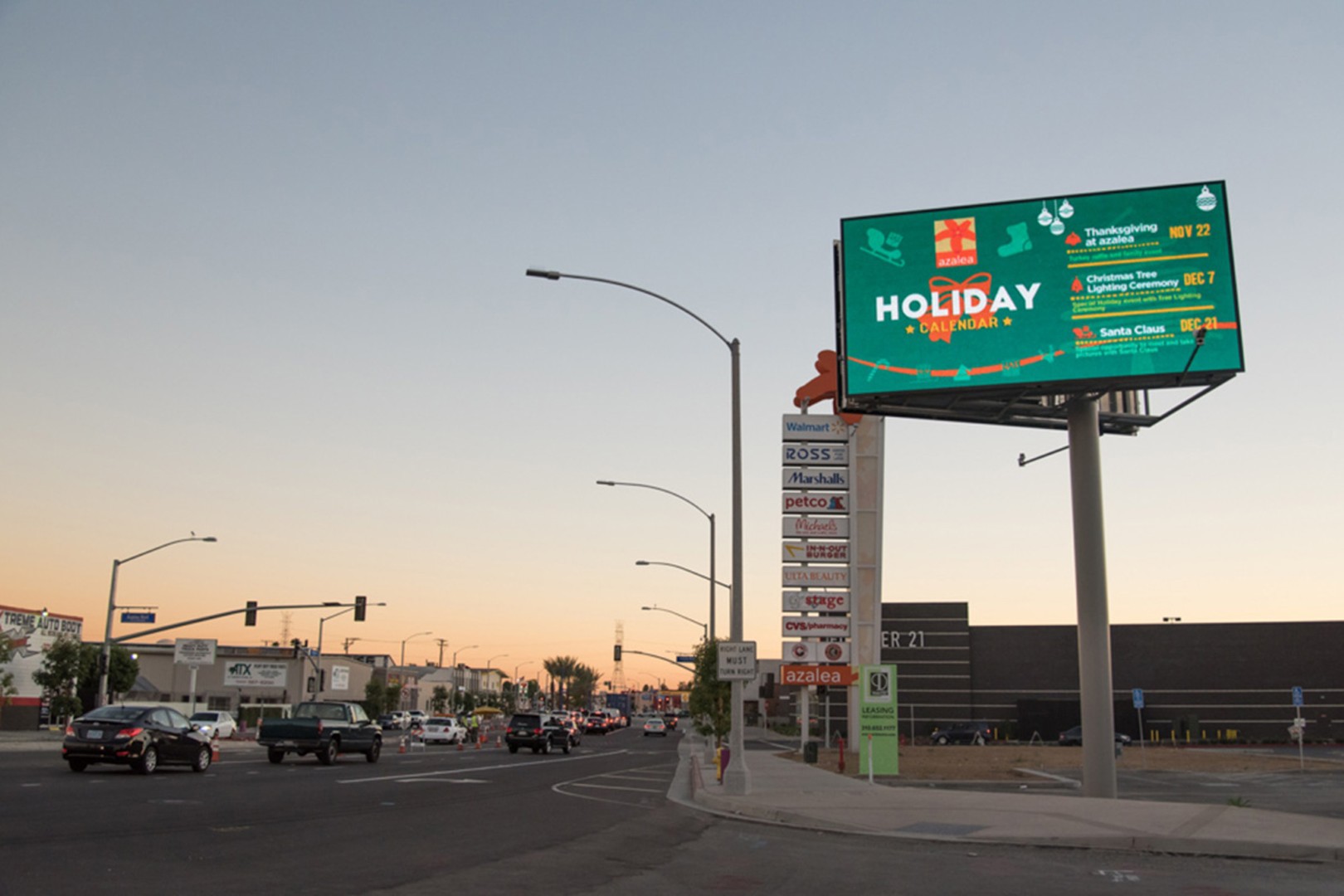
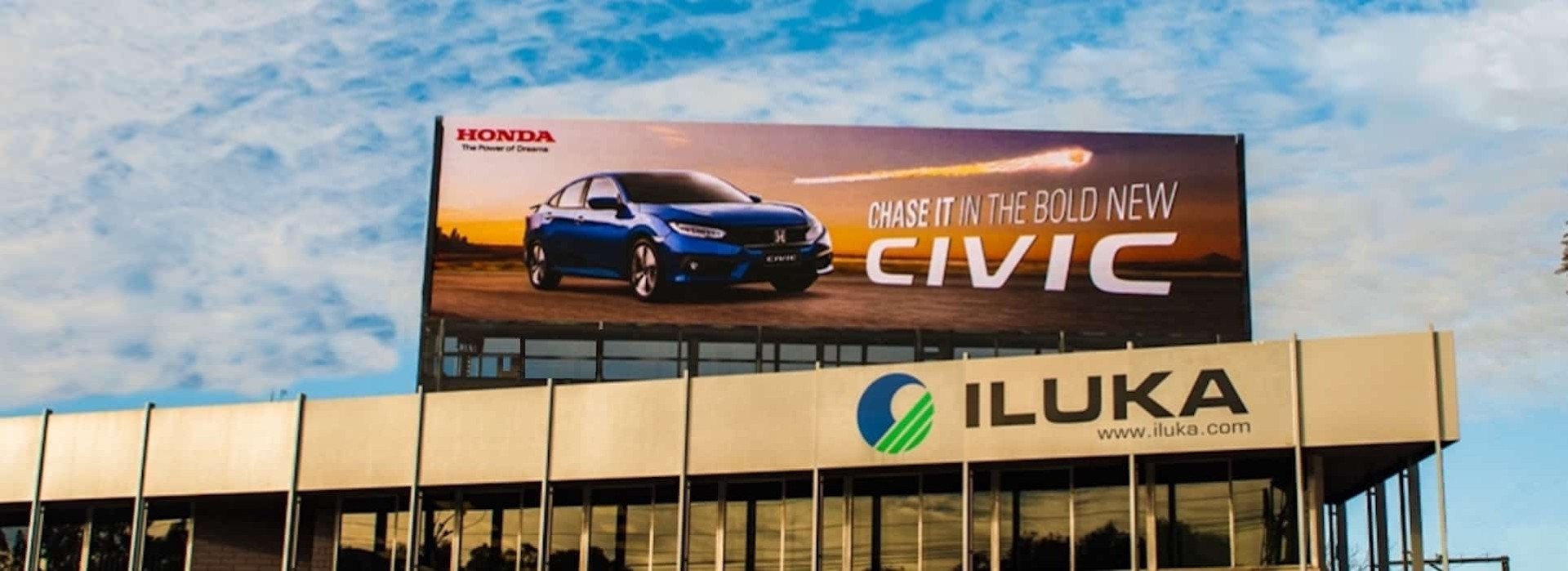
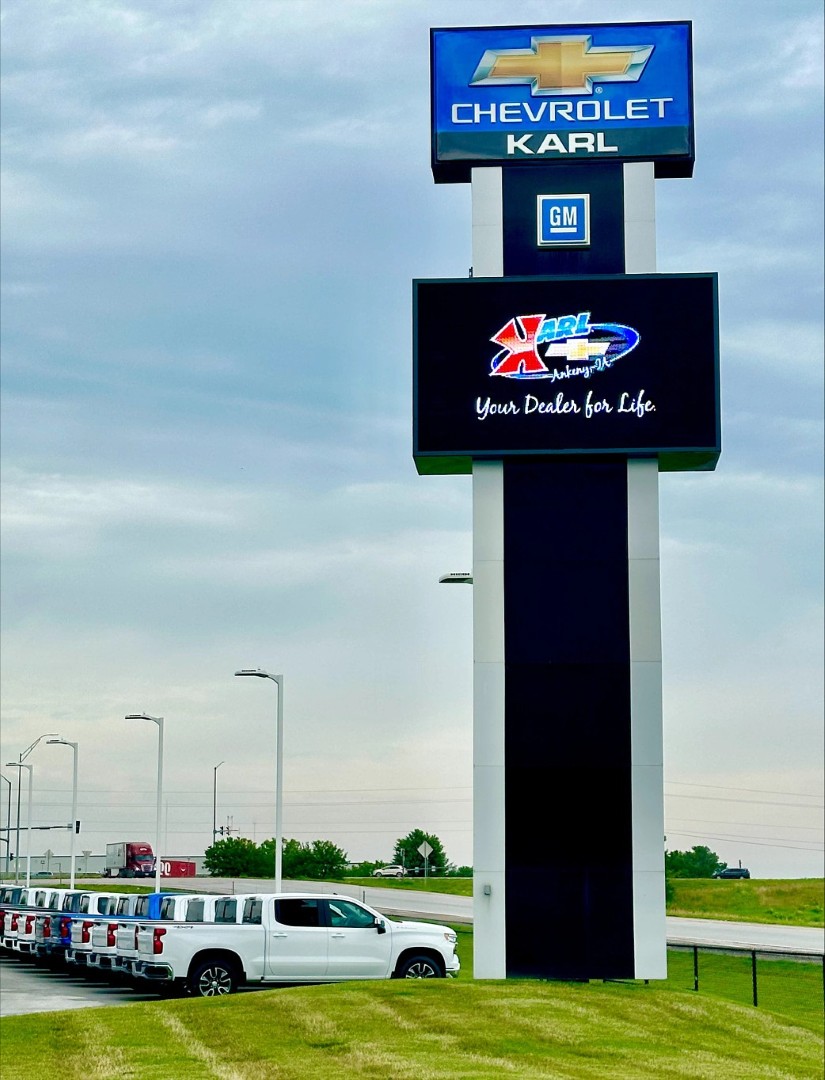
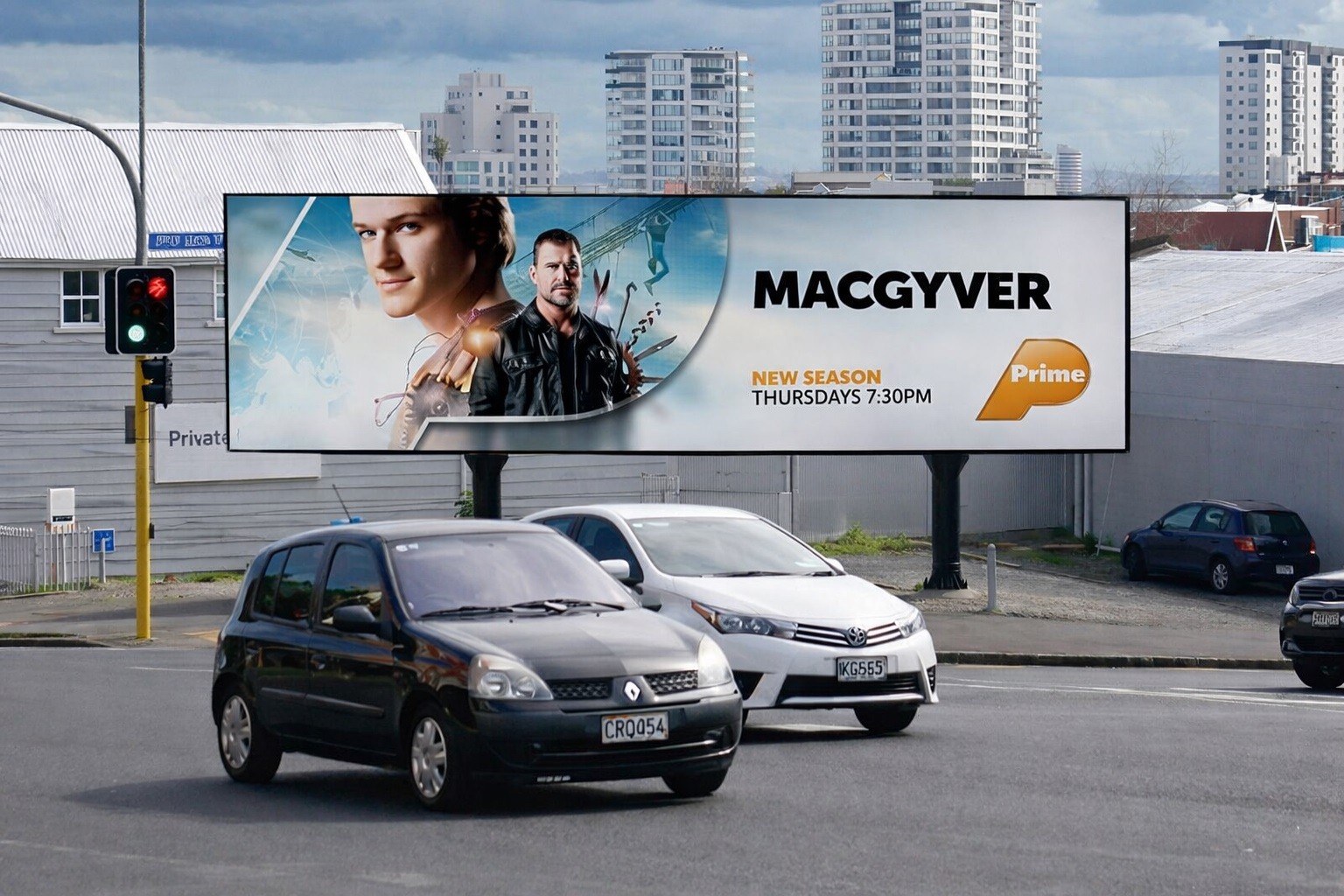
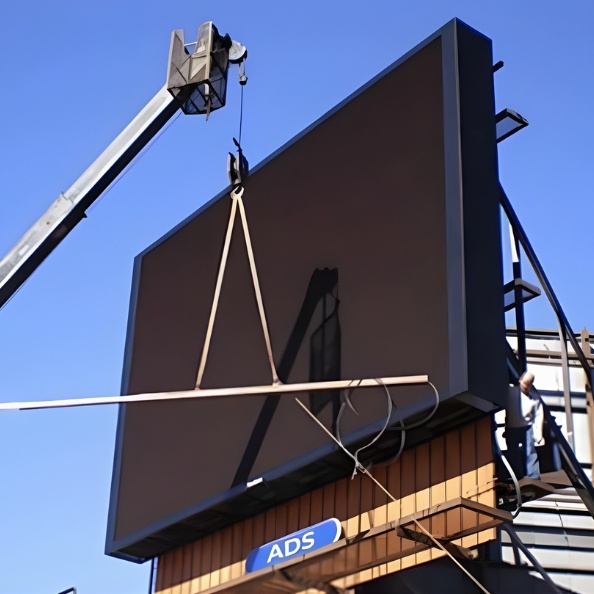
Digital billboards offer one of the most powerful ways to capture attention and connect with your audience in real time. With bold visuals, dynamic content, and excellent visibility, they turn everyday advertising into a high-impact experience that draws eyes and drives sales.
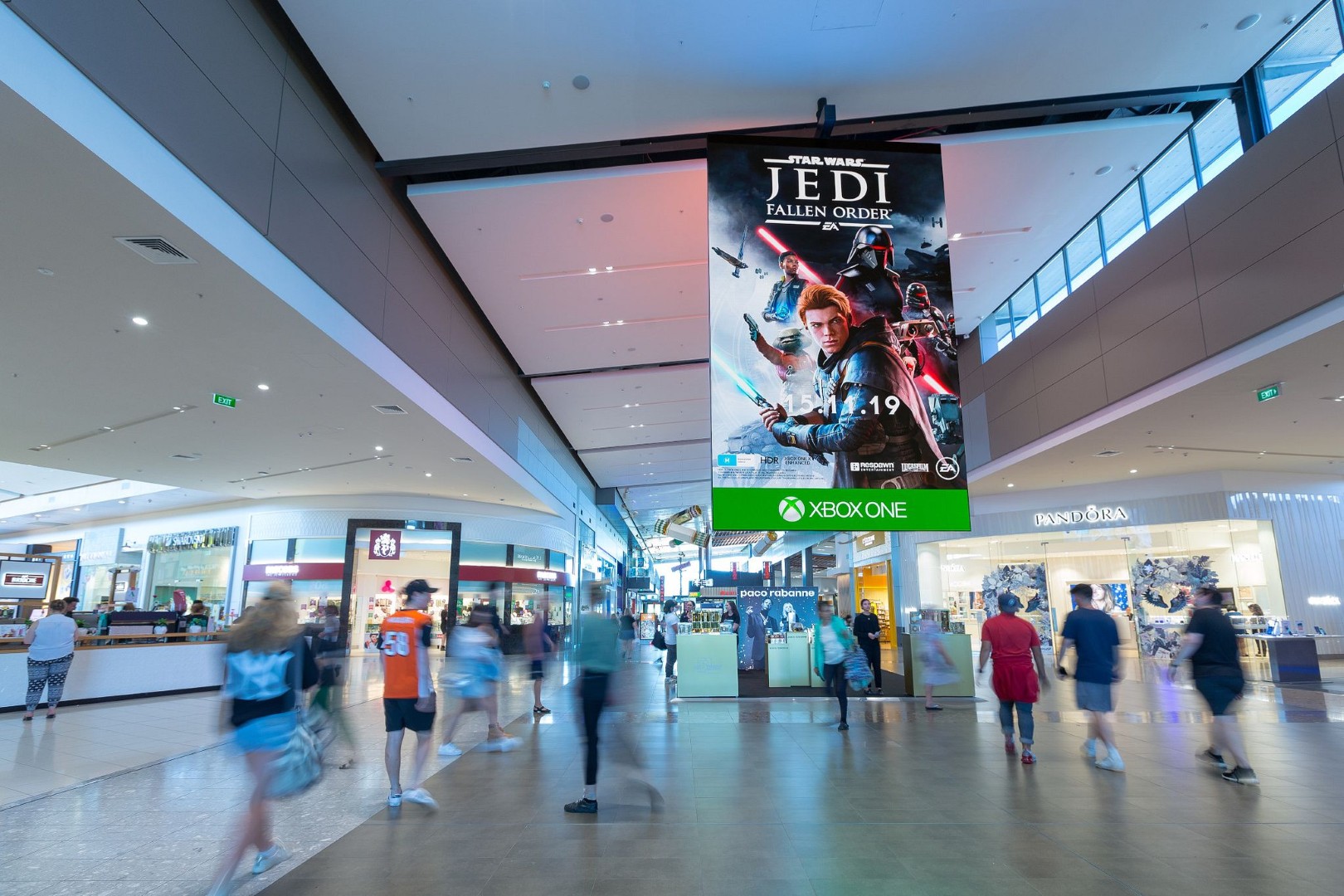
Premier LED billboards are engineered for both indoor and outdoor environments, delivering exceptional image quality and dependable performance. With the ability to update and rotate content throughout the day, you can showcase multiple promotions, announcements, or advertisements while keeping your messaging fresh.
Built with advanced LED technology, these displays are made to perform in demanding conditions and support long-term reliability. Your business benefits from increased visibility, stronger engagement, and a consistent presence in a competitive market.
Advanced ProVIDEO Display Technology
Premier LED Signs ProVIDEO Digital Billboard series is designed to give businesses flexible, high-performance advertising solutions tailored to their specific needs. With a range of display options available, each system is built to deliver long-term reliability, strong visual impact, and excellent overall value.
Selecting the right digital billboard starts with key factors like pixel pitch and display size, both of which directly influence image clarity and viewing distance. Lower pitch options such as 9mm and 11mm provide sharper resolution for closer viewing, while 16mm and 20mm displays remain a trusted standard for larger-scale outdoor applications. Site conditions, including placement and audience proximity, also play an important role in determining the best configuration.
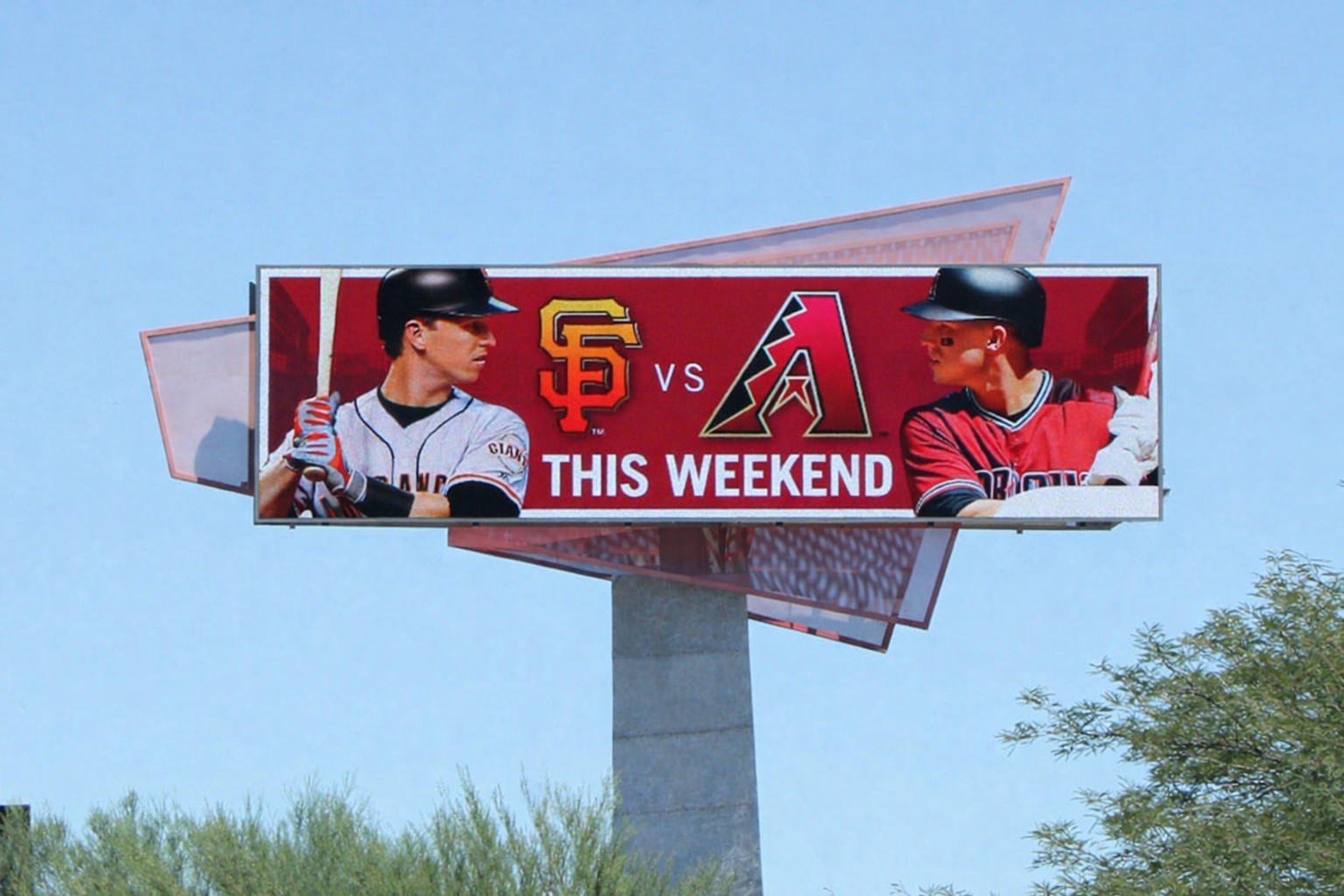
ProVIDEO billboards are engineered to produce vibrant color, crisp imagery, and smooth content transitions that keep viewers engaged. With the ability to rotate advertisements every few seconds, businesses can showcase multiple messages throughout the day while maintaining a clean, professional presentation that captures attention at scale.
Endless Content Options
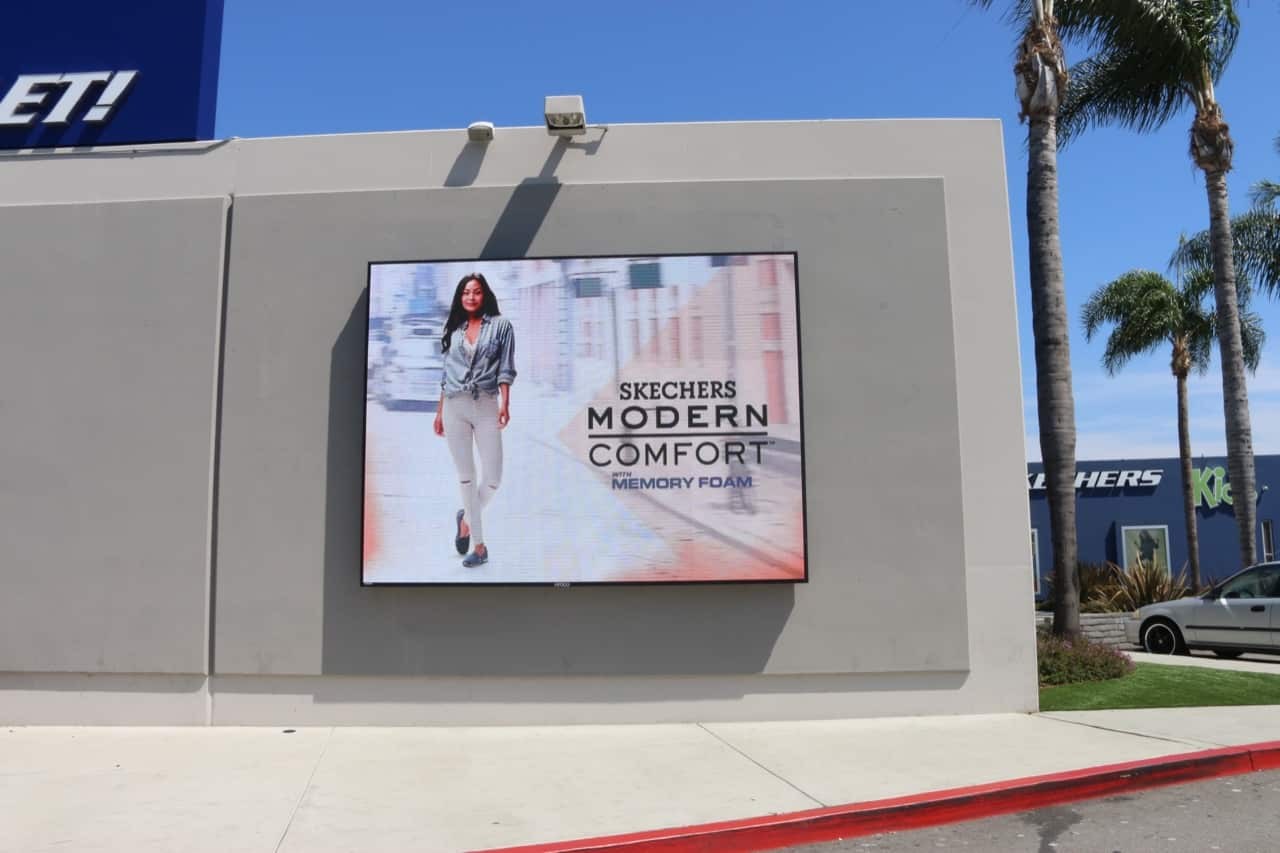
ProVIDEO high-definition, full-color displays are designed to help you stand out with large-scale, seamless visuals that capture attention and elevate your messaging. With the flexibility to display corporate updates, visitor information, promotions, and advertisements, your content stays dynamic, relevant, and easy to manage.
Performance That Lasts
Premier LED billboards are engineered for long-term performance, combining energy efficiency with minimal maintenance requirements. Designed to reduce operational costs over time, these systems provide a dependable LED solution with a lower total cost of ownership across the life of the display.
Energy-Efficient
Premier LED Signs are designed to deliver optimal brightness with a high-contrast surface that enhances visibility without excessive energy use. Efficient LED technology reduces power consumption, while thoughtfully designed module components help maximize performance and overall efficiency.
Built for Reliability
Premier LED Signs are built for reliability, with rigorous testing throughout the development process to ensure consistent performance. Each system is pushed to its limits in advanced testing environments, resulting in a dependable solution you can trust day after day.
Flexible Sizing Options
Premier LED Signs offers digital billboards in twelve (12) standard sizes to meet the needs of different locations and viewing distances. Each size is designed to deliver optimal visibility and performance.


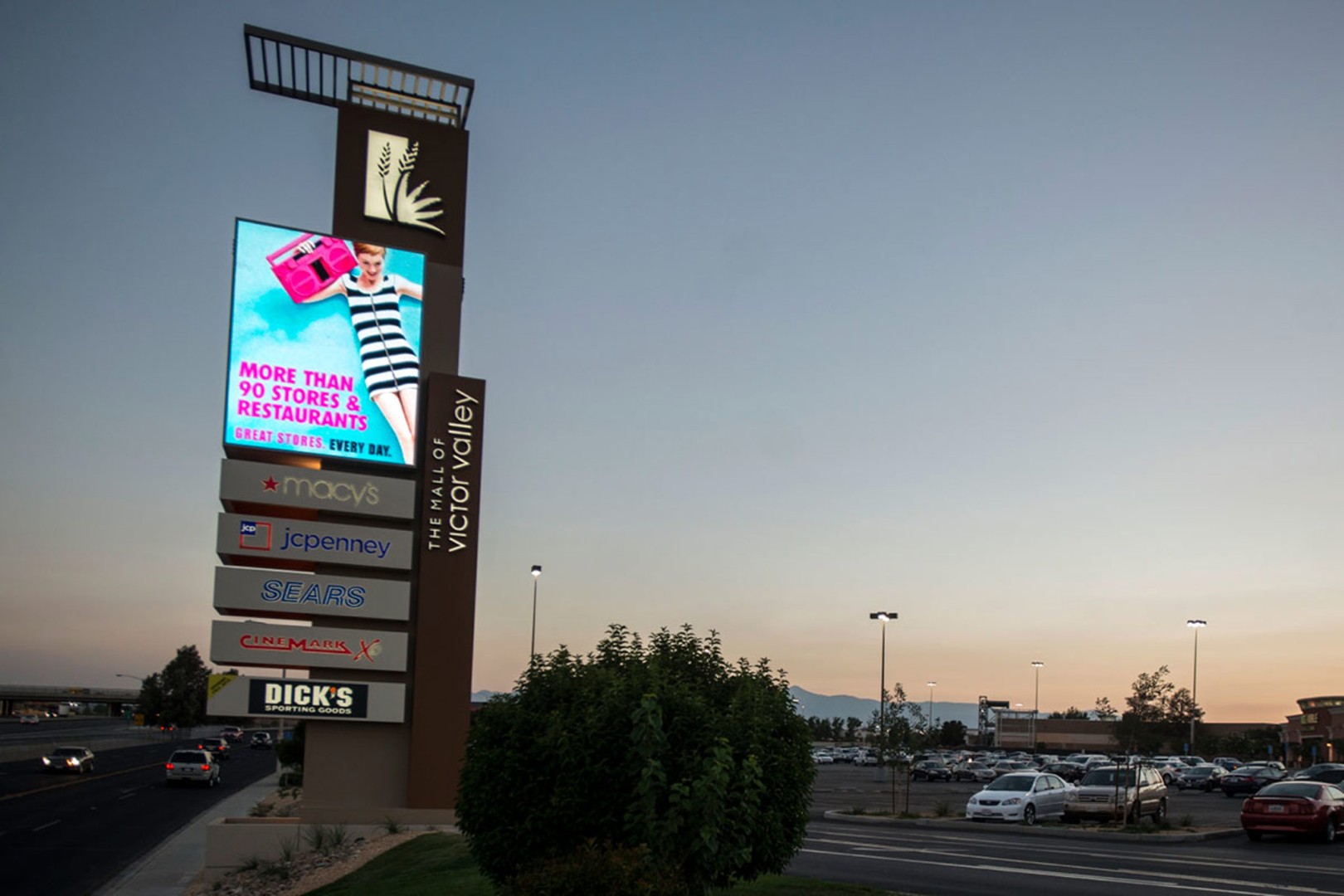
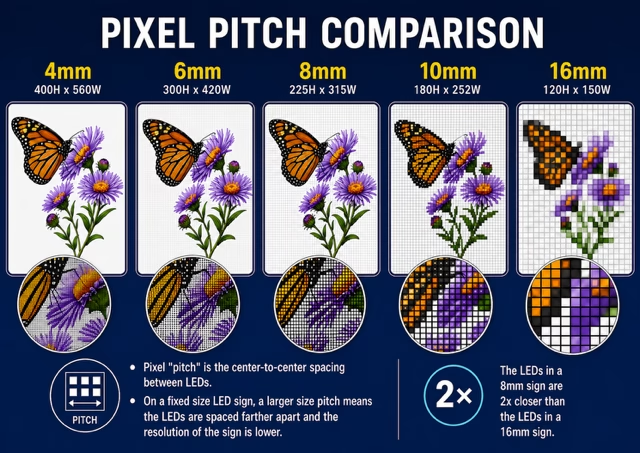
Resolution Comparison
Scroll horizontally to see full chart →
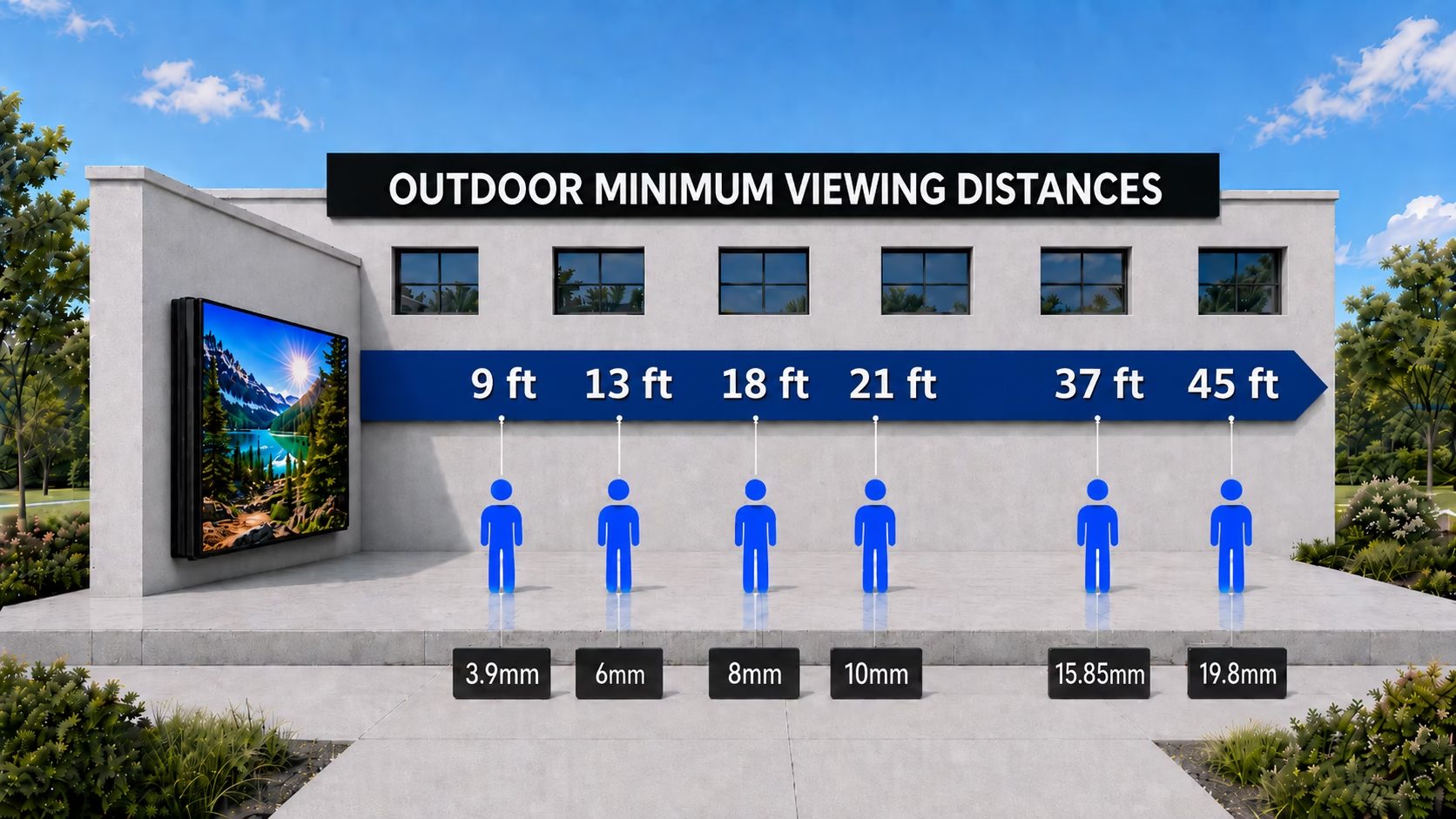
| Minimum Viewing Distance | 9′ | 13′ | 18′ | 21′ | 37′ | 45′ |
| Resolution (Pitch) | 3.9mm | 6mm | 8mm | 10mm | 15.85mm | 19.8mm |
| Brightness (Nits) | 6,000 | 8,000 | 8,000 | 8,000 | 12,000 | 11,000 |
| Module Matrix (Building Block) | 64 x 64 | 60 x 60 | 45 x 45 | 36 x 36 | 20 x 25 | 16 x 20 |
| Dimensions (Per Module) | 9.83” x 9.83” | 14.4” x 14.4” | 14.4” x 14.4” | 14.4” x 14.4” | 12.48” x 15.59” | 12.48” x 15.59” |
Outdoor Digital LED Billboard Sizes
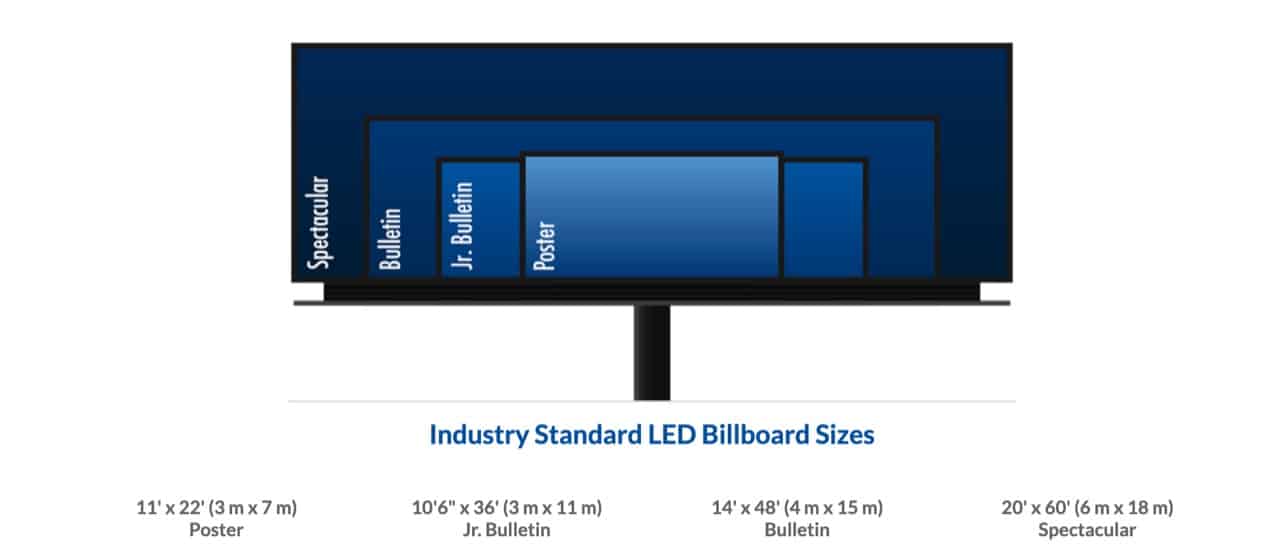
| Rank | Billboard Size | Total Area | Typical Format |
|---|---|---|---|
| 1 | 5′ × 11′ | 55 sq ft | Junior Poster – Market Variant |
| 2 | 6′ × 12′ | 72 sq ft | Junior Poster (8-Sheet) |
| 3 | 10′ × 20′ | 200 sq ft | Urban or Regional Billboard |
| 4 | 10′ × 22′ | 220 sq ft | Poster / Urban Billboard |
| 5 | 10.5′ × 22.5′ | 236 sq ft | Poster Size Billboard |
| 6 | 11′ × 22′ | 242 sq ft | Digital Poster / Urban Billboard |
| 7 | 12′ × 24′ | 288 sq ft | 30-Sheet Poster – Nominal Size |
| 8 | 10′ × 30′ | 300 sq ft | Regional Billboard |
| 9 | 10.5′ × 36′ | 378 sq ft | Bulletin |
| 10 | 10′ × 40′ | 400 sq ft | Bulletin |
| 11 | 14′ × 48′ | 672 sq ft | Standard Bulletin |
| 12 | 20′ × 60′ | 1,200 sq ft | Spectacular / Oversized Bulletin |
Scroll horizontally to see full chart →
Professional Installation & Service
Premier LED Signs handles installation with a focus on efficiency, precision, and long-term performance. Every display is set up by experienced technicians who understand the structure, power requirements, and placement needed to ensure your LED display operates exactly as it should from day one.
The design of each system also supports faster installs and easier service down the line. With plug-and-play connections, accessible power integration, and front-access maintenance, your display is easier to install, easier to service, and built to minimize downtime over time.
5 Year Warranty
Every outdoor sign from Premier LED Signs comes with a 5 year standard warranty because we stand behind our work. If you want added peace of mind, extended coverage up to 7 years is available for a small additional cost. Reach out today to learn more.
Frequently Asked Questions About LED Signs
- Business & Retail LED Signs
- Choosing an LED Display
- Energy & Performance
- Getting Started
- LED Sign Brightness
- LED Sign Cost & Financing
- LED Sign Installation
- LED Sign Software & Content
- Maintenance & Repairs
- Outdoor LED Signs
- Warranty & Technical Support
Helpful information includes:
• Installation address
• Indoor or outdoor location
• Approximate sign dimensions
• Desired viewing distance
• Traffic speed, if applicable
• Type of content you want to display
• Existing sign structure
• Electrical availability
• Preferred installation timeline
• Budget range, if known
If you don’t know all of these details, that’s okay. A professional sign provider can help determine the appropriate specifications.
Yes. Display size and resolution should be selected based on the location, viewing distance, content, audience, and installation requirements.
A professional evaluation can help prevent you from purchasing a display that is either underpowered for the application or unnecessarily expensive.
Custom LED solutions can be designed around the available space, viewing requirements, resolution, mounting configuration, content goals, and other project requirements.
A full-service LED sign provider can assist with the project from initial consultation through design, engineering, manufacturing, installation, software configuration, training, and ongoing support.
The specific services included in a project depend on the scope and installation requirements.
The best place to start is with a conversation about your location and goals.
Tell us where the display will be installed, what you want it to accomplish, how far away viewers will be, and what type of content you plan to display. From there, we can help determine the appropriate display size, resolution, brightness, software, installation requirements, and overall solution.
Ready to find the right LED display for your business? Request a quote and let our team help you build a solution around your location, audience, and goals.
Potentially.
Digital signage can reduce the need to continually print and physically replace promotional materials. It also allows organizations to update messages electronically and reuse the display for multiple campaigns.
The financial benefit depends on how the display is used and what it replaces.
An LED sign can help businesses attract attention by combining visibility, color, movement, timely messaging, and frequently updated content.
For retail businesses, an outdoor display can communicate with people before they enter the property, while indoor displays can influence customers after they arrive.
Retail businesses can use LED displays for:
• Sales
• Special offers
• New products
• Seasonal promotions
• Limited-time offers
• Store hours
• Events
• Brand messaging
• Customer announcements
• Product features
• Calls to action
Content should be updated often enough to remain relevant to your audience.
Promotions and time-sensitive messages may need frequent changes, while branding and evergreen messages can remain active longer.
Scheduling content in advance can make regular updates easier.
Yes. LED displays can be used to promote your own products and services, communicate special offers, advertise events, promote partners, or deliver other commercial messages.
Digital displays are particularly useful when you want to rotate multiple campaigns from a single sign.
The first step is to determine whether the problem involves power, communication, software, or the display hardware.
A technical-support team can help diagnose the problem and determine whether remote troubleshooting, component replacement, or on-site service is necessary.
Replacement-part availability depends on the manufacturer and display model.
When evaluating an LED display, ask how long replacement modules, power supplies, controllers, and other critical components will remain available.
Power consumption depends on display size, brightness, pixel technology, operating schedule, content, and other factors.
When comparing displays, ask for both typical and maximum power requirements.
Yes. Operating an LED display at higher brightness generally requires more power.
Automatic brightness control can reduce brightness when maximum output is unnecessary, particularly at night.
LED technology can provide an efficient method of displaying digital content, but actual energy consumption depends on the size, brightness, operating schedule, and technology of the display.
The appropriate service schedule depends on the display, environment, operating conditions, and manufacturer recommendations.
Preventive inspections can help identify potential problems before they become major failures.
High-quality LED displays are designed for long-term operation. With proper installation, operation, and maintenance, an LED display can provide many years of service.
Actual lifespan depends on the specific technology, operating environment, usage, brightness, maintenance, and other factors.
Warranty coverage varies by manufacturer and product.
Before purchasing, ask specifically about coverage for LED modules, power supplies, control components, labor, shipping, software, and other system components.
Warranty periods vary by product and manufacturer.
Rather than comparing warranty length alone, evaluate exactly what is covered, how repairs are handled, whether labor is included, and how replacement parts are supplied.
Yes. Ongoing technical support is an important part of owning an LED display.
Support can include troubleshooting, software assistance, operational guidance, diagnostics, replacement components, and other service needs throughout the life of the display.
Not necessarily.
The best display is the one that matches the application. Paying for specifications that aren’t necessary for your viewing distance or content requirements may increase the project cost without providing a meaningful benefit.
Financing may be available for qualified businesses and organizations.
Financing can allow an organization to spread the cost of an LED display over time rather than paying the entire project cost upfront.
Total cost of ownership can include:
• Initial display purchase
• Installation
• Electrical work
• Structural work
• Software
• Communication services
• Electricity
• Maintenance
• Repairs
• Replacement components
• Upgrades
When comparing LED displays, it is important to look beyond the initial purchase price.
Maintenance requirements depend on the display and environment, but generally include keeping the display clean, inspecting components, monitoring performance, maintaining proper ventilation, and addressing problems promptly.
LED displays are typically constructed from modular components. Depending on the system, individual modules or other components can often be repaired or replaced without replacing the entire display.
Yes. Many LED display problems can be diagnosed and repaired by qualified technicians.
Common service issues can involve LED modules, power supplies, communication equipment, receiving cards, wiring, software, or other electronic components.
Major cost factors include:
• Display dimensions
• Pixel pitch
• Resolution
• Indoor vs. outdoor construction
• Brightness
• Cabinet design
• Control system
• Software
• Communication equipment
• Mounting structure
• Electrical work
• Installation
• Permitting
• Customization
In many situations, an LED display can be incorporated into an existing sign structure, provided the structure and local regulations allow it.
The existing sign should be evaluated before the project is designed.
Yes. Indoor LED displays can be mounted on walls, structures, frames, windows, or other suitable surfaces depending on the application.
Some LED displays are designed for front service access, while others require rear access.
Front-service designs can be particularly useful when the display is installed directly against a wall or in a location where rear access is limited.
LED sign pricing varies significantly depending on display size, pixel pitch, brightness, cabinet construction, resolution, software, communications, installation, structural requirements, and customization.
There is no single price that applies to every project.
LED sign installation can include site preparation, mounting, electrical work, communication setup, display installation, configuration, testing, and system training.
Depending on the project, installation can be performed directly or coordinated with a qualified local installer.
Installation time varies depending on display size, location, mounting structure, electrical requirements, permitting, site preparation, and project complexity.
A project timeline can be provided once the site and display requirements are established.
Possibly.
Sign permits, zoning requirements, electrical requirements, brightness restrictions, digital-display regulations, and other requirements vary by city, county, and jurisdiction.
Local regulations should be reviewed before installation.
Possibly. Existing structures should be evaluated for size, weight, wind loading, electrical requirements, mounting configuration, and structural condition.
A qualified professional should determine whether an existing structure can safely support the proposed display.
Yes. Digital LED displays can be used to communicate urgent information such as emergency notifications, weather alerts, closures, safety messages, evacuation information, and other time-sensitive announcements.
The appropriate brightness depends on whether the display is indoors or outdoors, the amount of ambient light, viewing distance, and local requirements.
Outdoor displays generally require substantially more brightness than indoor displays because they must remain visible in daylight.
Yes.
A display that is excessively bright at night can create glare and reduce viewing comfort. Proper brightness control helps maintain visibility while avoiding unnecessary brightness.
Automatic brightness control uses a light sensor or other system to adjust display brightness based on surrounding light conditions.
The display can operate brighter during daylight and reduce brightness as ambient light decreases.
A light sensor can help an outdoor LED display automatically respond to changing lighting conditions.
This can improve nighttime viewing comfort, maintain visibility, and reduce unnecessary energy consumption.
Yes. Content-management software can allow messages to be scheduled for specific dates and times.
This is particularly useful for promotions, holidays, events, recurring announcements, business hours, and other time-sensitive information.
Yes. Scheduled content can be used to display different messages at different times.
For example, a retail business might display one promotion in the morning, another during the afternoon, and a different message in the evening.
Depending on the software platform, multiple authorized users can manage content.
User permissions can help organizations control who can create, edit, schedule, and publish messages.
LED displays require a compatible control system and software. The specific platform depends on the display and application.
The goal is to provide a straightforward way for authorized users to create and manage content without requiring specialized technical expertise.
Modern LED content-management systems are designed to be user-friendly.
Most routine tasks—such as creating a message, scheduling content, or updating an advertisement—should not require advanced technical knowledge.
LED displays are controlled through dedicated content-management software. Depending on the system, users can create content, schedule messages, and send updates to the display from a computer or other connected device.
Many modern LED display systems allow remote content management.
This means authorized users can update messages without physically visiting the sign, making it easier to respond to promotions, events, announcements, changing business conditions, or emergencies.
A properly selected and maintained outdoor LED display can provide many years of service. Actual lifespan depends on display quality, operating conditions, brightness settings, maintenance, environmental exposure, and other factors.
Like any electronic system, outdoor LED displays benefit from periodic inspection and maintenance.
Routine maintenance can help identify potential issues early, preserve image quality, and maximize the useful life of the display.
An outdoor LED sign is a digital display engineered for exterior environments. Outdoor displays can be used for storefronts, roadside businesses, commercial properties, campuses, public facilities, advertising, and other applications where visibility from outside is important.
Outdoor LED displays are engineered to withstand outdoor environmental conditions, but the exact environmental specifications vary by product.
When selecting a display, consider temperature range, moisture protection, wind exposure, enclosure design, drainage, ventilation, and other site-specific conditions.
Yes. Outdoor LED displays are designed with high-brightness technology to remain visible during daylight.
Brightness should be selected based on the actual installation environment and viewing conditions.
Yes. Outdoor displays can use brightness controls and automatic dimming to reduce brightness after dark.
Proper nighttime brightness helps maintain readability while reducing glare and unnecessary energy consumption.
Outdoor LED displays are designed for demanding environments, but specific performance depends on the construction and environmental rating of the display.
The installation location should be evaluated for heat, cold, rain, wind, snow, ice, humidity, and other environmental factors.
Pixel pitch is the distance between the centers of two adjacent pixels on an LED display, measured in millimeters.
Pixel pitch is one of the most important specifications when choosing an LED display because it affects image detail and recommended viewing distance.
The ideal pixel pitch depends primarily on viewing distance.
Displays viewed from close range generally benefit from a smaller pixel pitch, while displays viewed from farther away can use a larger pixel pitch while still providing an effective image.
Not necessarily.
A smaller pixel pitch provides greater pixel density and can produce more detailed images at close viewing distances. However, if the display will be viewed from a significant distance, a very small pixel pitch may provide little practical benefit while increasing project cost.
The goal is to select the right pixel pitch for the application—not necessarily the smallest available.
Resolution refers to the number of individual pixels that make up the display image.
Resolution is determined by the physical dimensions of the display and its pixel pitch. Higher pixel density can provide greater image detail, particularly when the display is viewed from close range.
The display should be specifically designed for its environment.
Outdoor LED displays are engineered for conditions such as sunlight, rain, temperature changes, wind, and other environmental factors. Indoor LED displays are designed for controlled environments and typically emphasize close-range image quality and viewing comfort.
The right LED sign depends on several factors, including:
• Viewing distance
• Sign size
• Traffic speed
• Content requirements
• Indoor or outdoor location
• Desired image quality
• Pixel pitch
• Brightness
• Installation location
• Communication requirements
• Local sign regulations
• Budget
A professional LED sign provider can help determine the appropriate specifications for your location.
There is no universal size that works for every location. The correct size depends on how far away viewers will be, how quickly they will pass the sign, how much information you need to display, and the physical space available.
A site evaluation can help determine the appropriate display dimensions.
Viewing distance depends on the physical size of the display, pixel pitch, brightness, content, environmental conditions, and viewing angle.
An LED sign should be selected based on the distance at which your audience will actually see it rather than simply choosing the highest-resolution display available.
