
▸ Indoor/Outdoor LED Display Service & Support
Keep Your Sign Performing at Its Best
Your LED signage is a long-term investment, and keeping it operating at peak performance is essential to protecting that investment. Premier LED Signs provides expert installation, responsive technical support, and ongoing maintenance services to ensure your display remains bright, functional, and effective over time.
With a team that understands the technology inside and out, you can count on consistent performance, minimal downtime, and the peace of mind that your signage is always working for your business. Need assistance? Fill out the tech support form below or call one of our listed contact numbers to connect with our team.
Send a Inquiry to our Tech Support Team
Expertise You Can Depend On
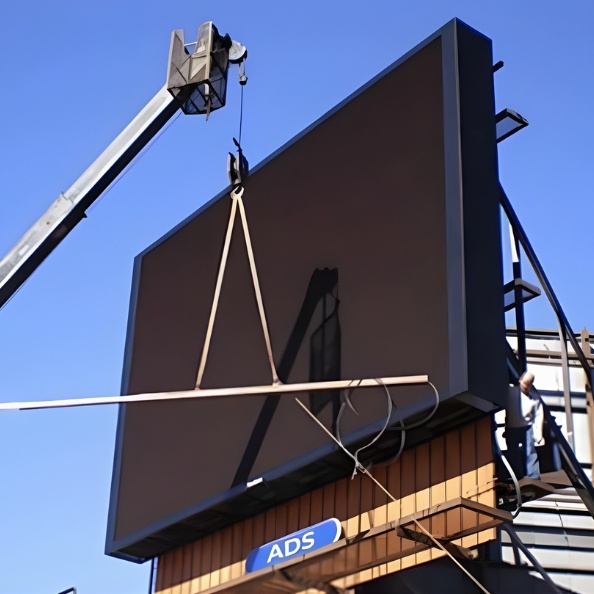
Premier LED Signs brings decades of experience to every installation, ensuring your display is set up correctly, efficiently, and built to perform from day one. Our team understands the structural, electrical, and technical requirements behind every project, allowing us to deliver a smooth installation process you can rely on.
Our support doesn’t stop after installation. We provide ongoing maintenance and responsive technical support to keep your signage operating at peak performance. From quick troubleshooting to component-level service, our team is equipped to minimize downtime and keep your display up and running when it matters most.
5 Year Warranty
Every outdoor sign from Premier LED Signs comes with a 5 year standard warranty because we stand behind our work. If you want added peace of mind, extended coverage up to 7 years is available for a small additional cost. Reach out today to learn more.
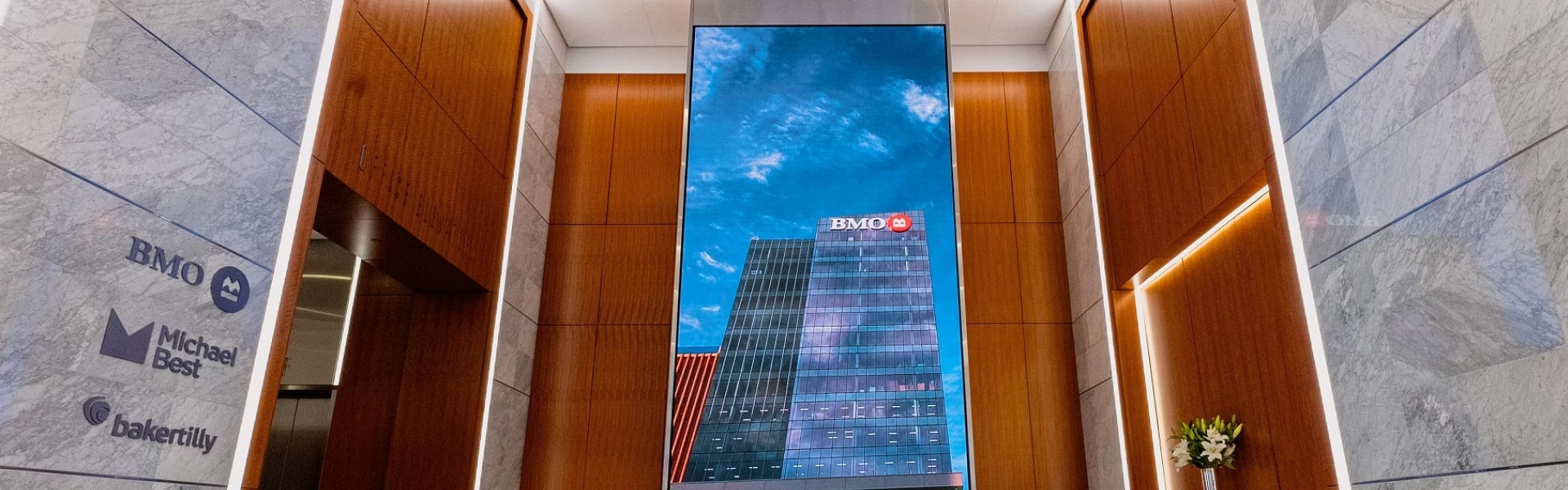
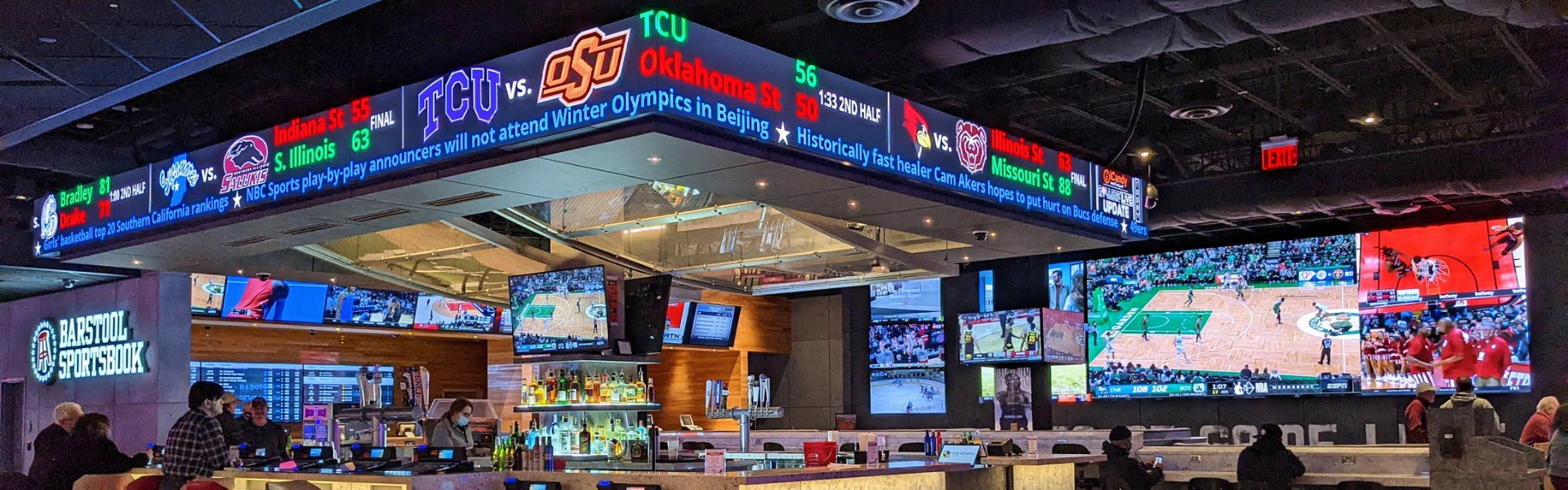
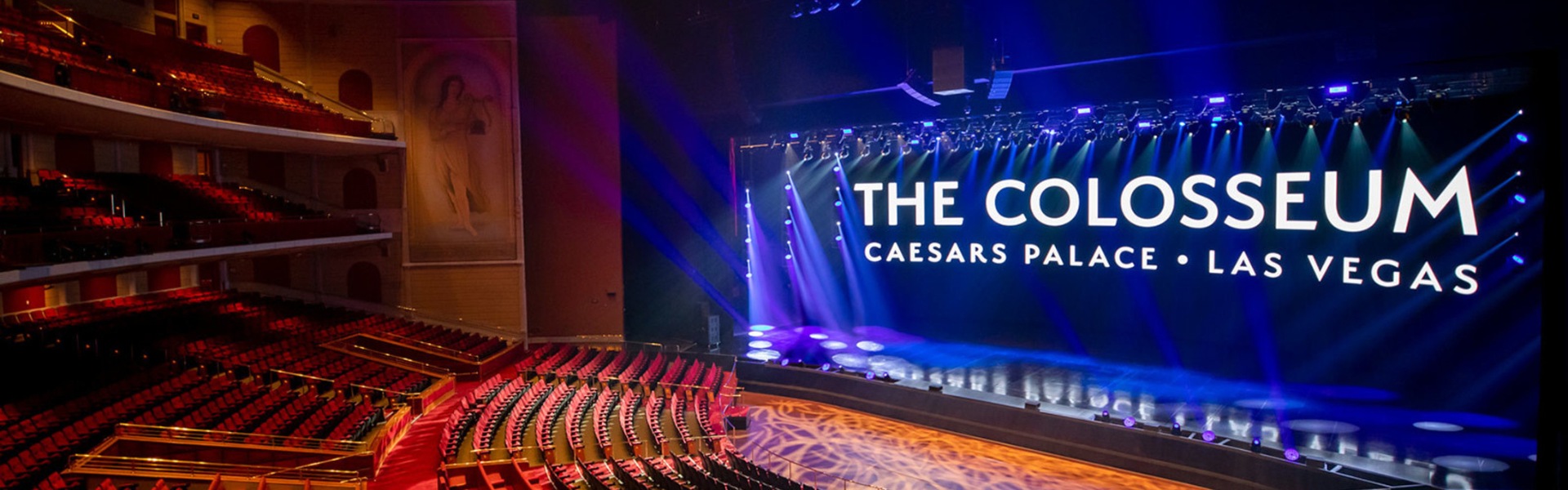
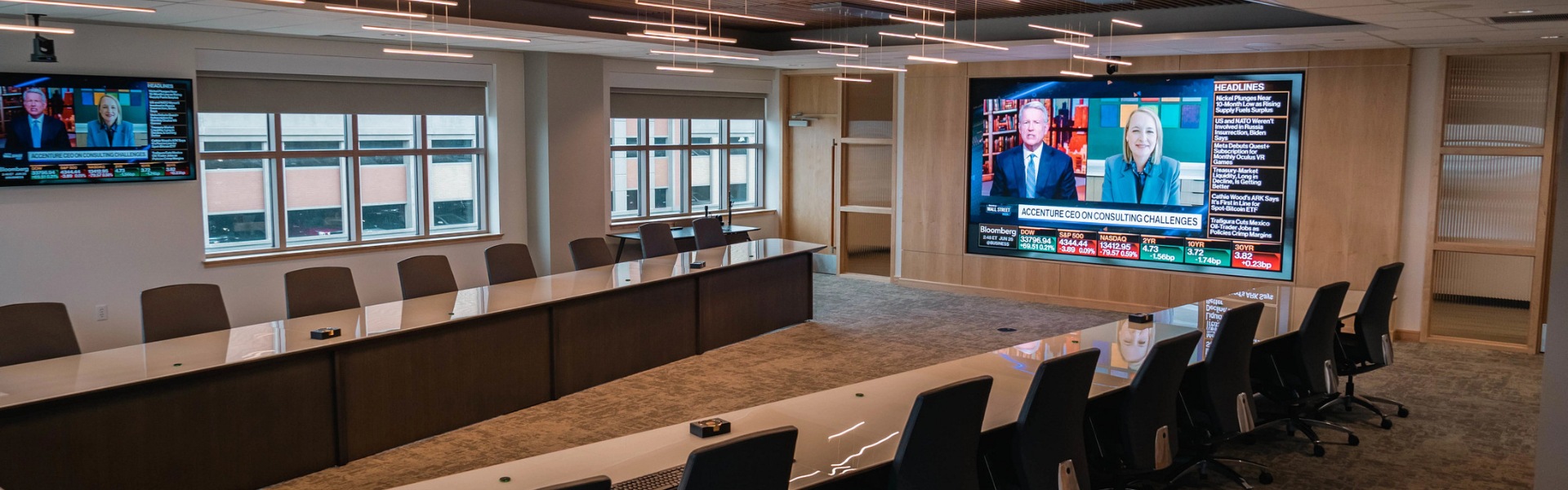
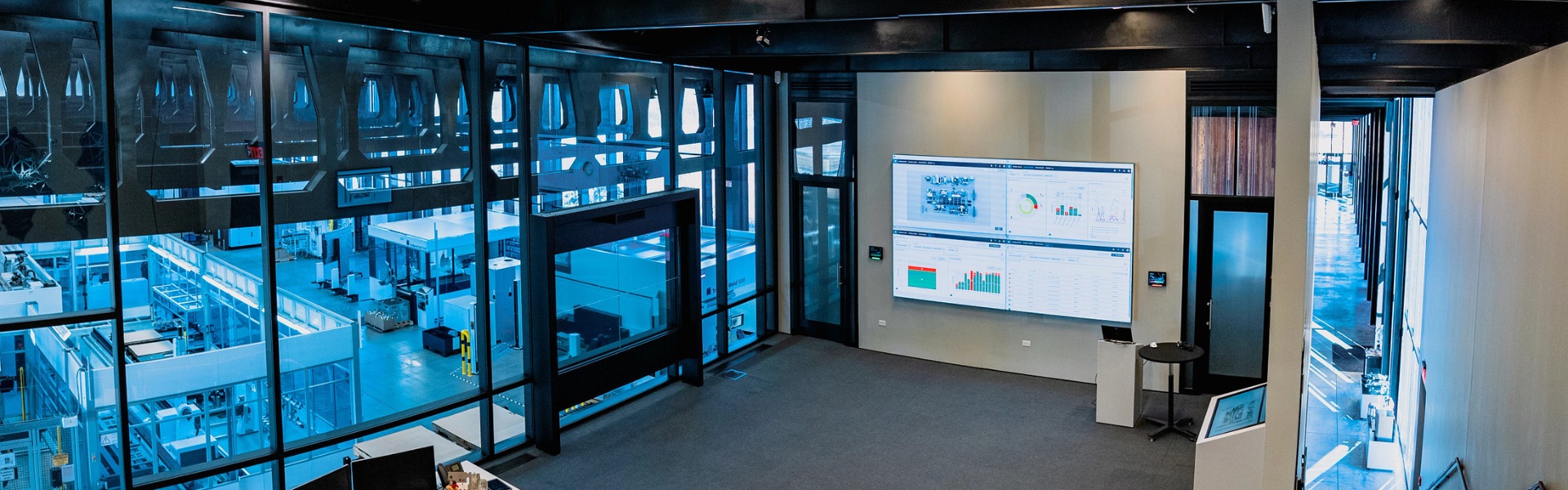
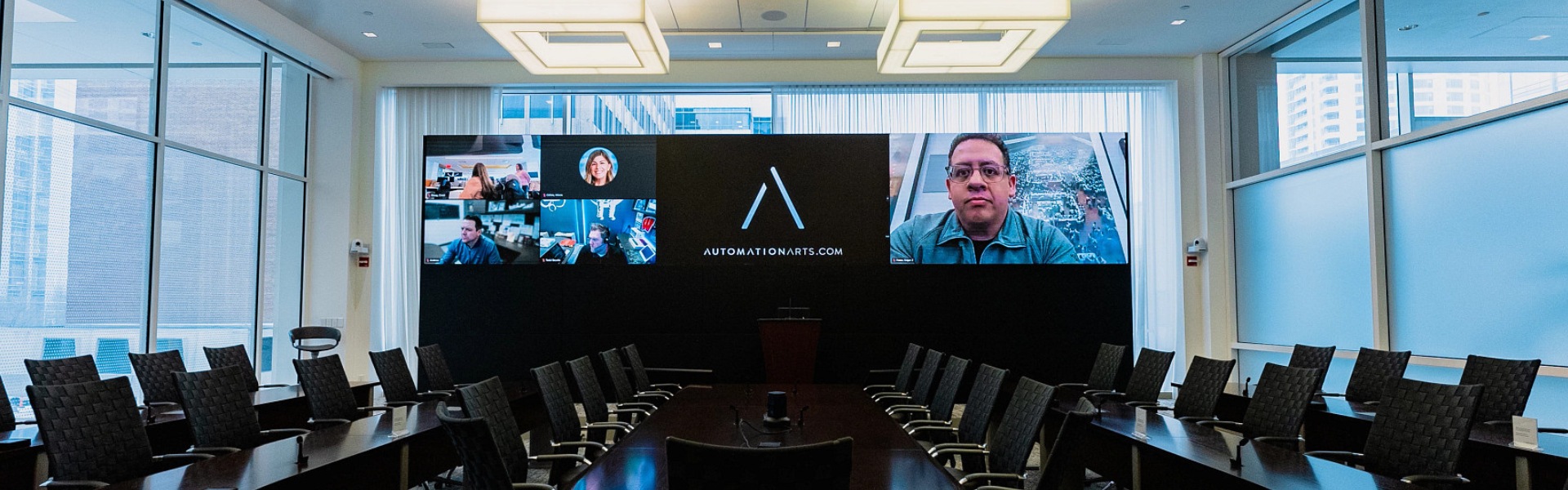
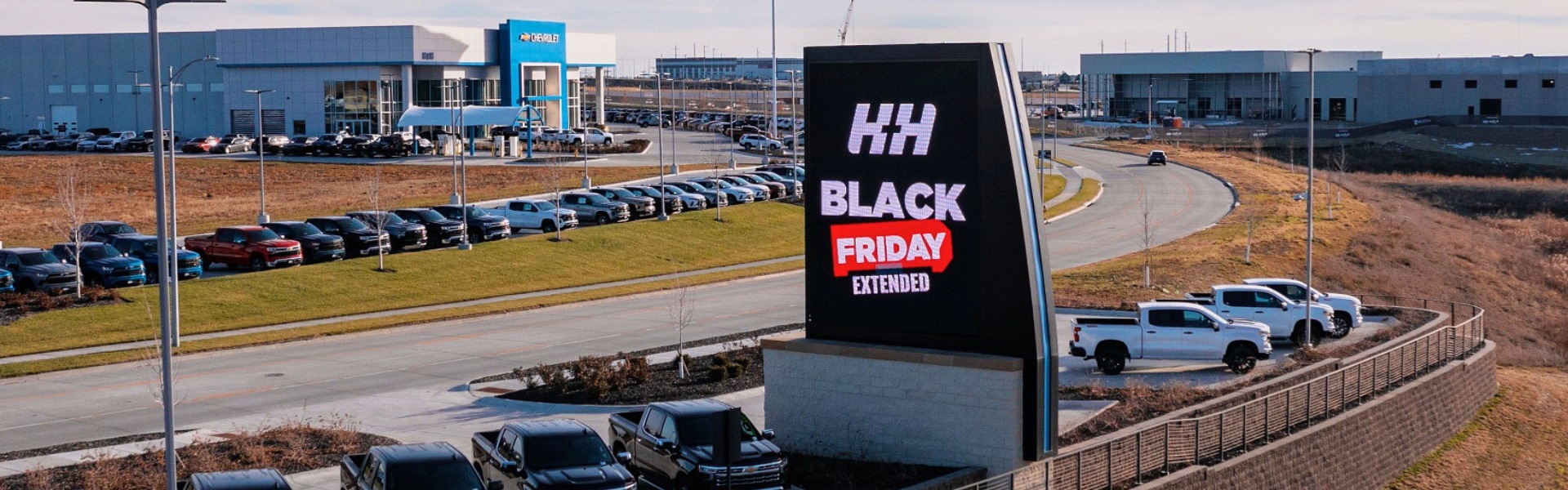
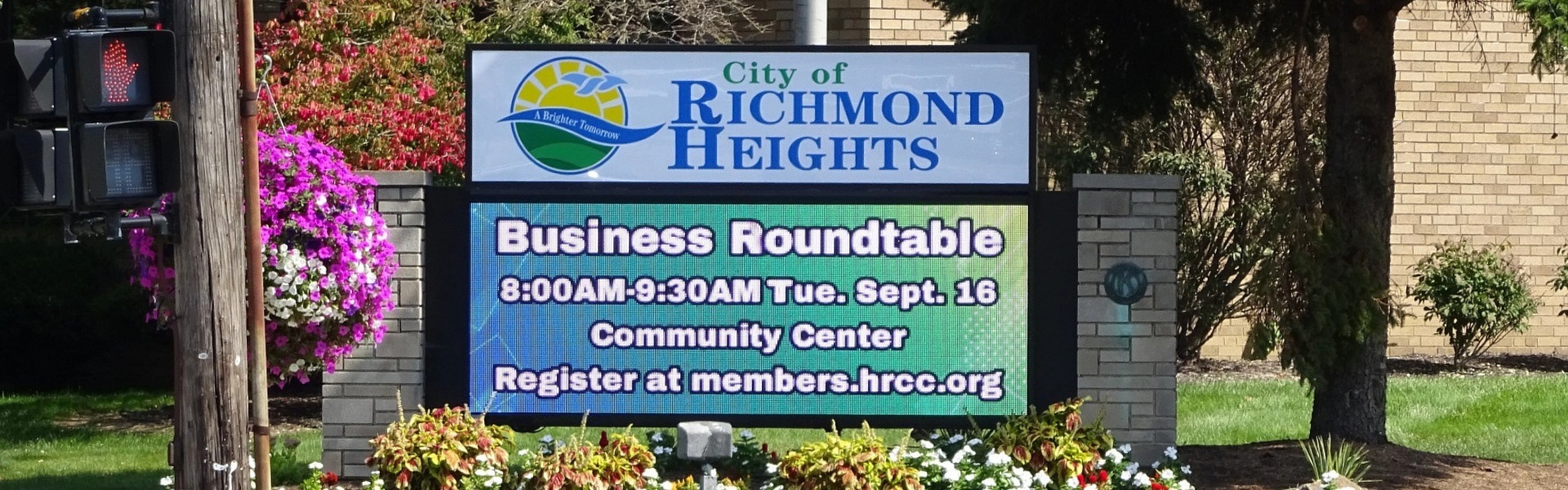
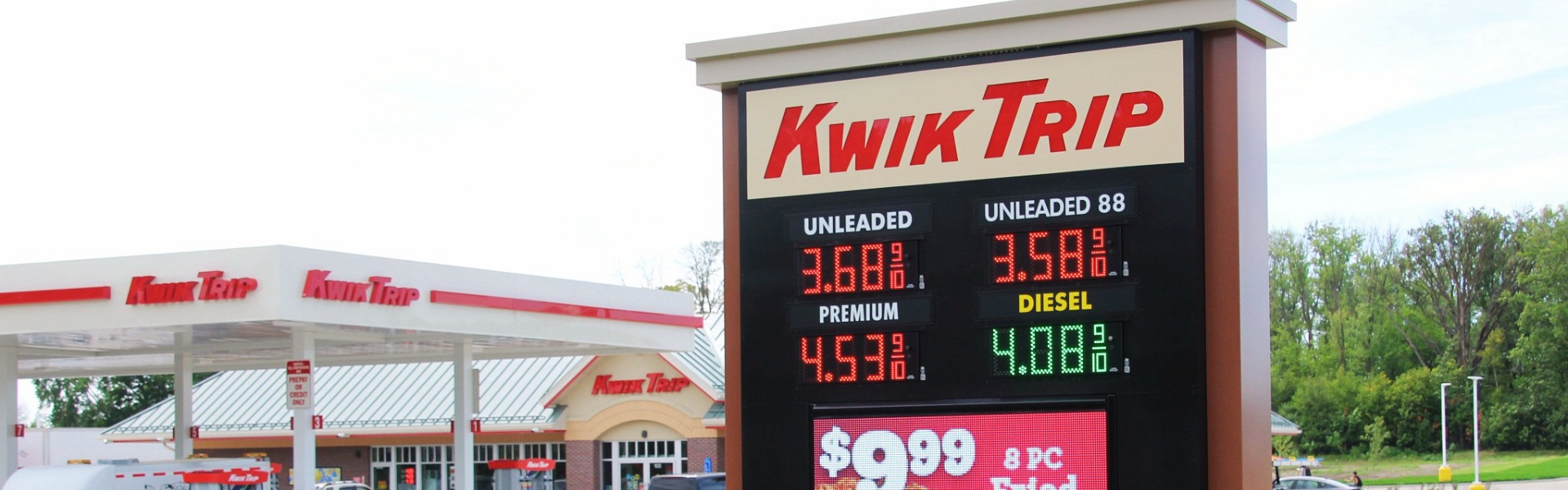
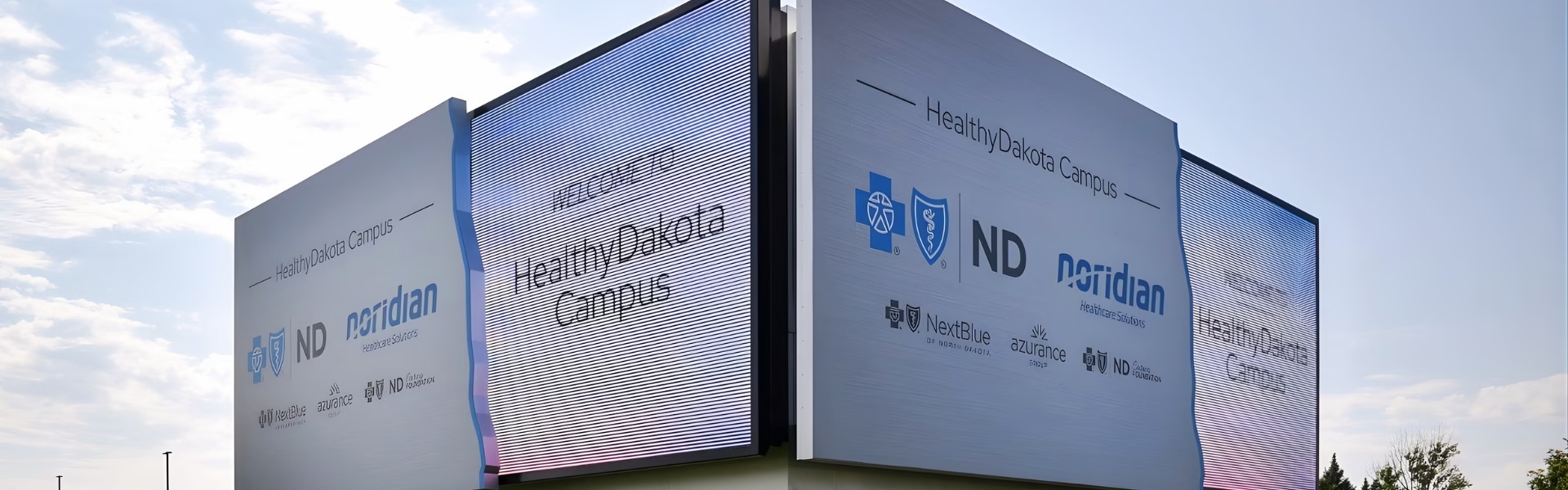
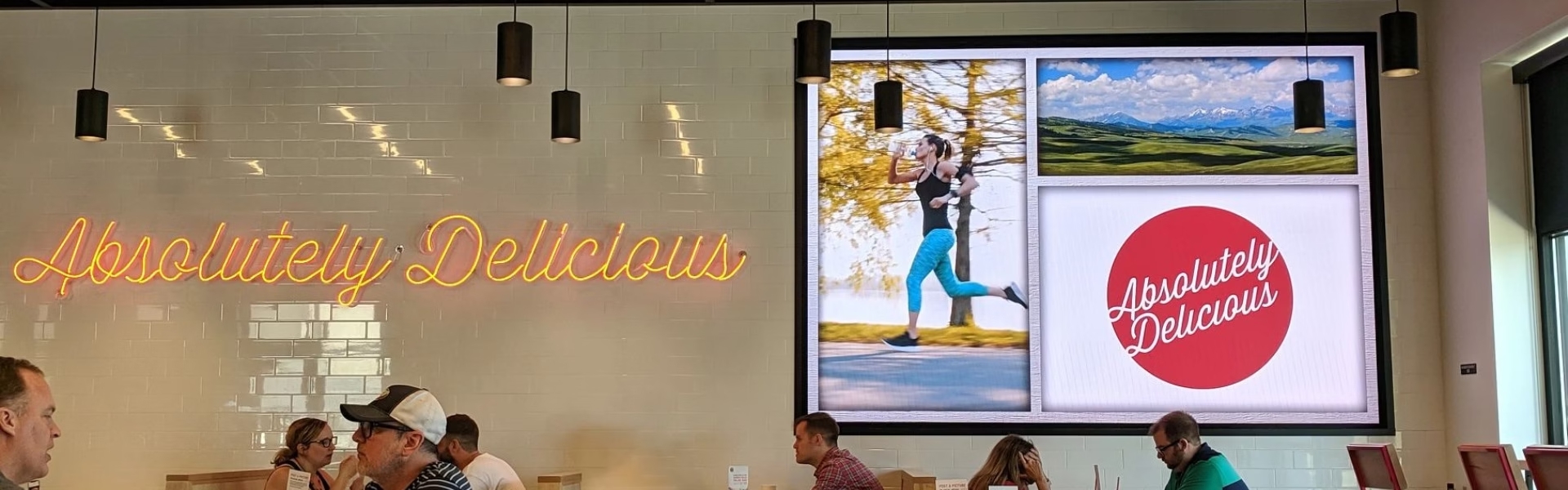
LED Signs for a Wide Range of Applications
Frequently Asked Questions About LED Signs
- Choosing an LED Display
- Energy & Performance
- Getting Started
- LED Sign Installation
- Maintenance & Repairs
- Warranty & Technical Support
Helpful information includes:
• Installation address
• Indoor or outdoor location
• Approximate sign dimensions
• Desired viewing distance
• Traffic speed, if applicable
• Type of content you want to display
• Existing sign structure
• Electrical availability
• Preferred installation timeline
• Budget range, if known
If you don’t know all of these details, that’s okay. A professional sign provider can help determine the appropriate specifications.
Yes. Display size and resolution should be selected based on the location, viewing distance, content, audience, and installation requirements.
A professional evaluation can help prevent you from purchasing a display that is either underpowered for the application or unnecessarily expensive.
Custom LED solutions can be designed around the available space, viewing requirements, resolution, mounting configuration, content goals, and other project requirements.
A full-service LED sign provider can assist with the project from initial consultation through design, engineering, manufacturing, installation, software configuration, training, and ongoing support.
The specific services included in a project depend on the scope and installation requirements.
The best place to start is with a conversation about your location and goals.
Tell us where the display will be installed, what you want it to accomplish, how far away viewers will be, and what type of content you plan to display. From there, we can help determine the appropriate display size, resolution, brightness, software, installation requirements, and overall solution.
Ready to find the right LED display for your business? Request a quote and let our team help you build a solution around your location, audience, and goals.
Potentially.
Digital signage can reduce the need to continually print and physically replace promotional materials. It also allows organizations to update messages electronically and reuse the display for multiple campaigns.
The financial benefit depends on how the display is used and what it replaces.
The first step is to determine whether the problem involves power, communication, software, or the display hardware.
A technical-support team can help diagnose the problem and determine whether remote troubleshooting, component replacement, or on-site service is necessary.
Replacement-part availability depends on the manufacturer and display model.
When evaluating an LED display, ask how long replacement modules, power supplies, controllers, and other critical components will remain available.
Power consumption depends on display size, brightness, pixel technology, operating schedule, content, and other factors.
When comparing displays, ask for both typical and maximum power requirements.
Yes. Operating an LED display at higher brightness generally requires more power.
Automatic brightness control can reduce brightness when maximum output is unnecessary, particularly at night.
LED technology can provide an efficient method of displaying digital content, but actual energy consumption depends on the size, brightness, operating schedule, and technology of the display.
The appropriate service schedule depends on the display, environment, operating conditions, and manufacturer recommendations.
Preventive inspections can help identify potential problems before they become major failures.
High-quality LED displays are designed for long-term operation. With proper installation, operation, and maintenance, an LED display can provide many years of service.
Actual lifespan depends on the specific technology, operating environment, usage, brightness, maintenance, and other factors.
Warranty coverage varies by manufacturer and product.
Before purchasing, ask specifically about coverage for LED modules, power supplies, control components, labor, shipping, software, and other system components.
Warranty periods vary by product and manufacturer.
Rather than comparing warranty length alone, evaluate exactly what is covered, how repairs are handled, whether labor is included, and how replacement parts are supplied.
Yes. Ongoing technical support is an important part of owning an LED display.
Support can include troubleshooting, software assistance, operational guidance, diagnostics, replacement components, and other service needs throughout the life of the display.
Maintenance requirements depend on the display and environment, but generally include keeping the display clean, inspecting components, monitoring performance, maintaining proper ventilation, and addressing problems promptly.
LED displays are typically constructed from modular components. Depending on the system, individual modules or other components can often be repaired or replaced without replacing the entire display.
Yes. Many LED display problems can be diagnosed and repaired by qualified technicians.
Common service issues can involve LED modules, power supplies, communication equipment, receiving cards, wiring, software, or other electronic components.
In many situations, an LED display can be incorporated into an existing sign structure, provided the structure and local regulations allow it.
The existing sign should be evaluated before the project is designed.
Yes. Indoor LED displays can be mounted on walls, structures, frames, windows, or other suitable surfaces depending on the application.
Some LED displays are designed for front service access, while others require rear access.
Front-service designs can be particularly useful when the display is installed directly against a wall or in a location where rear access is limited.
LED sign installation can include site preparation, mounting, electrical work, communication setup, display installation, configuration, testing, and system training.
Depending on the project, installation can be performed directly or coordinated with a qualified local installer.
Installation time varies depending on display size, location, mounting structure, electrical requirements, permitting, site preparation, and project complexity.
A project timeline can be provided once the site and display requirements are established.
Possibly.
Sign permits, zoning requirements, electrical requirements, brightness restrictions, digital-display regulations, and other requirements vary by city, county, and jurisdiction.
Local regulations should be reviewed before installation.
Possibly. Existing structures should be evaluated for size, weight, wind loading, electrical requirements, mounting configuration, and structural condition.
A qualified professional should determine whether an existing structure can safely support the proposed display.
Pixel pitch is the distance between the centers of two adjacent pixels on an LED display, measured in millimeters.
Pixel pitch is one of the most important specifications when choosing an LED display because it affects image detail and recommended viewing distance.
The ideal pixel pitch depends primarily on viewing distance.
Displays viewed from close range generally benefit from a smaller pixel pitch, while displays viewed from farther away can use a larger pixel pitch while still providing an effective image.
Not necessarily.
A smaller pixel pitch provides greater pixel density and can produce more detailed images at close viewing distances. However, if the display will be viewed from a significant distance, a very small pixel pitch may provide little practical benefit while increasing project cost.
The goal is to select the right pixel pitch for the application—not necessarily the smallest available.
Resolution refers to the number of individual pixels that make up the display image.
Resolution is determined by the physical dimensions of the display and its pixel pitch. Higher pixel density can provide greater image detail, particularly when the display is viewed from close range.
The display should be specifically designed for its environment.
Outdoor LED displays are engineered for conditions such as sunlight, rain, temperature changes, wind, and other environmental factors. Indoor LED displays are designed for controlled environments and typically emphasize close-range image quality and viewing comfort.
The right LED sign depends on several factors, including:
• Viewing distance
• Sign size
• Traffic speed
• Content requirements
• Indoor or outdoor location
• Desired image quality
• Pixel pitch
• Brightness
• Installation location
• Communication requirements
• Local sign regulations
• Budget
A professional LED sign provider can help determine the appropriate specifications for your location.
There is no universal size that works for every location. The correct size depends on how far away viewers will be, how quickly they will pass the sign, how much information you need to display, and the physical space available.
A site evaluation can help determine the appropriate display dimensions.
Viewing distance depends on the physical size of the display, pixel pitch, brightness, content, environmental conditions, and viewing angle.
An LED sign should be selected based on the distance at which your audience will actually see it rather than simply choosing the highest-resolution display available.
